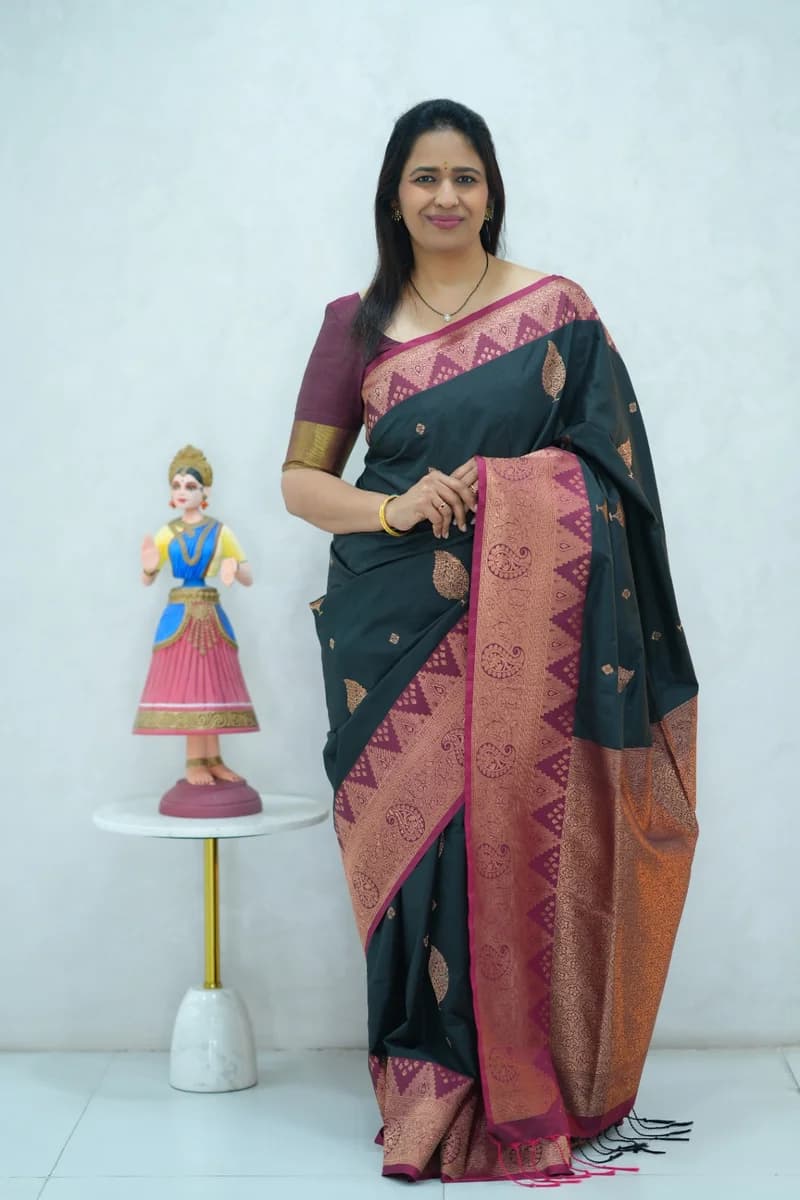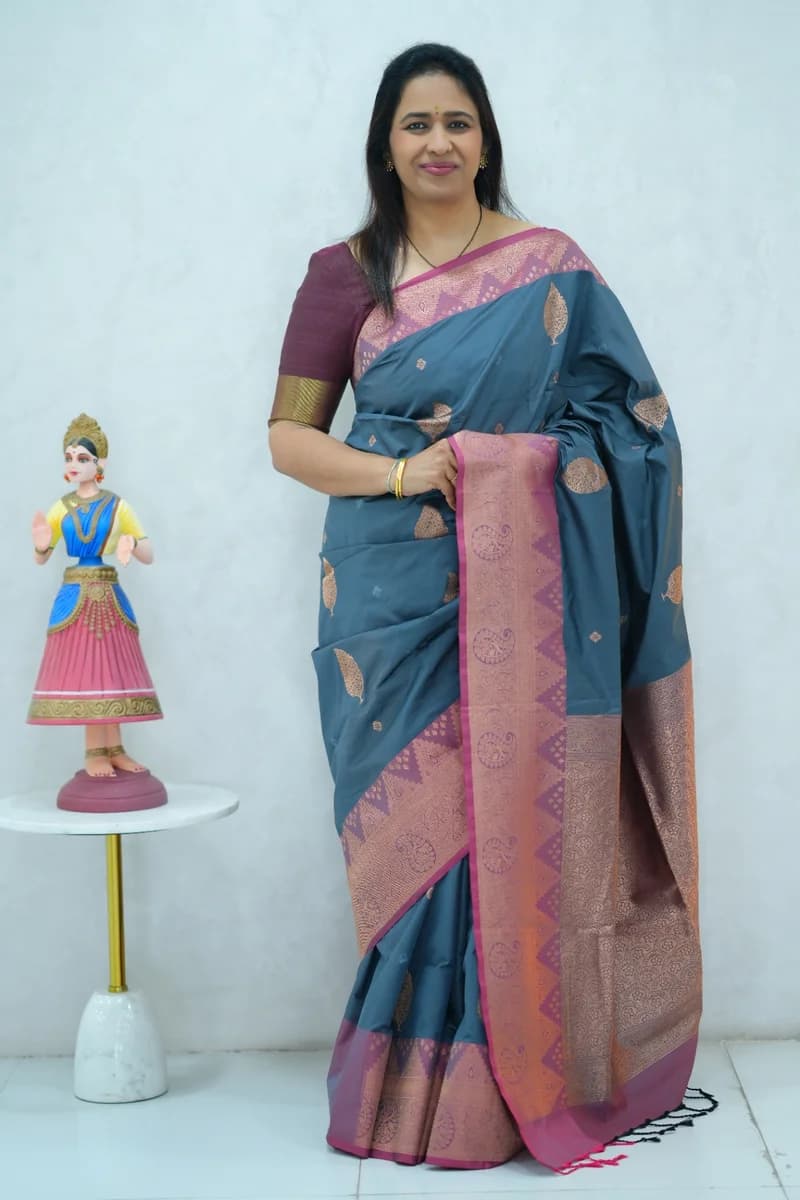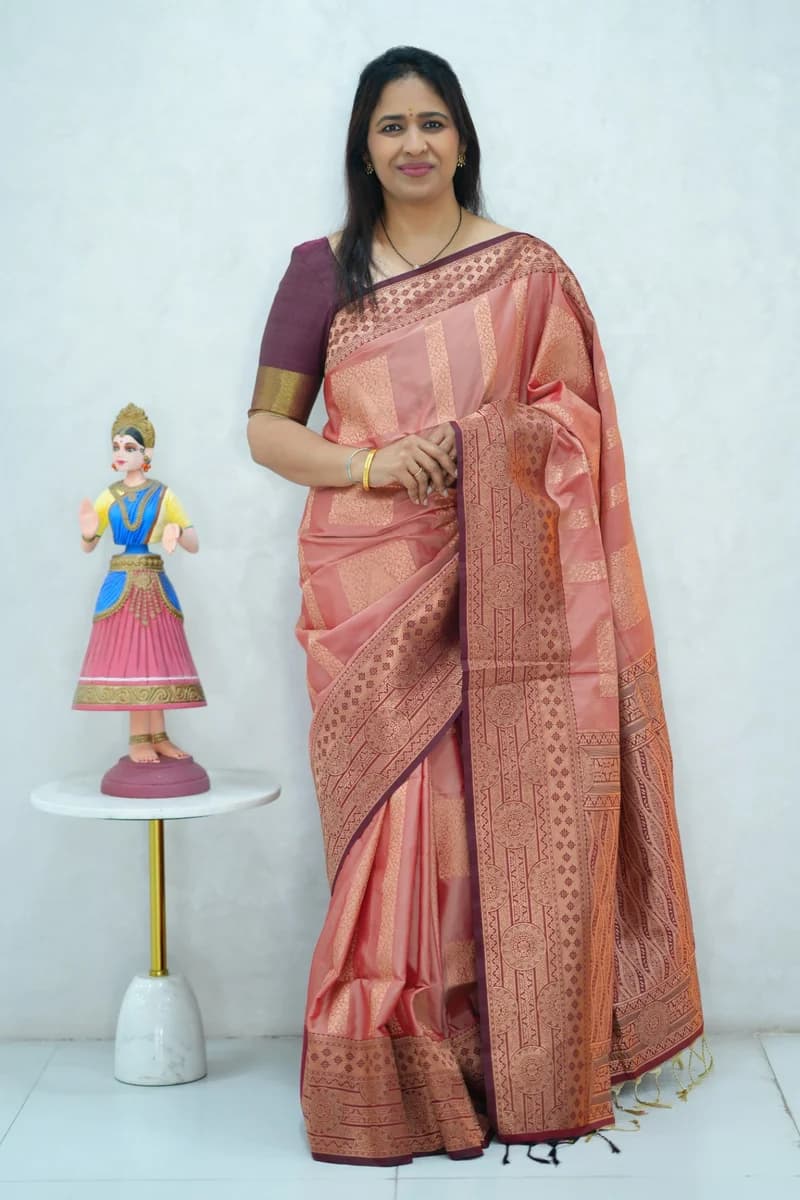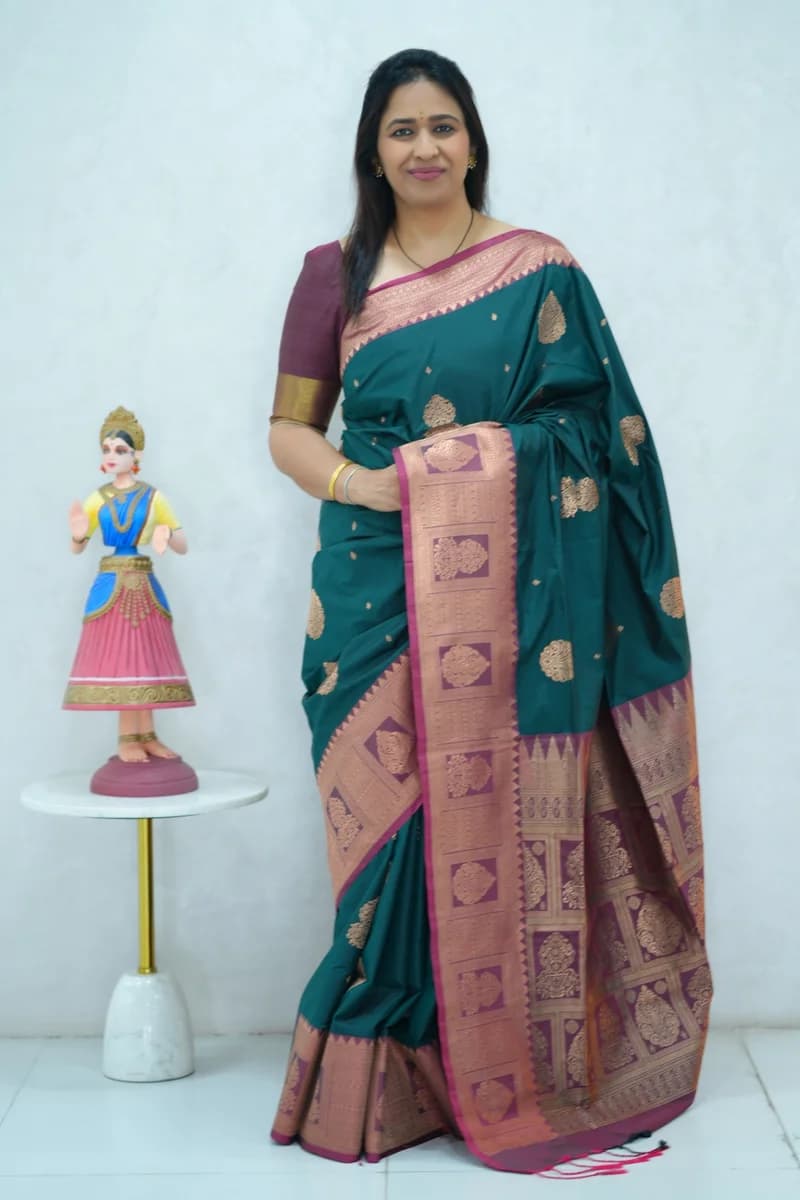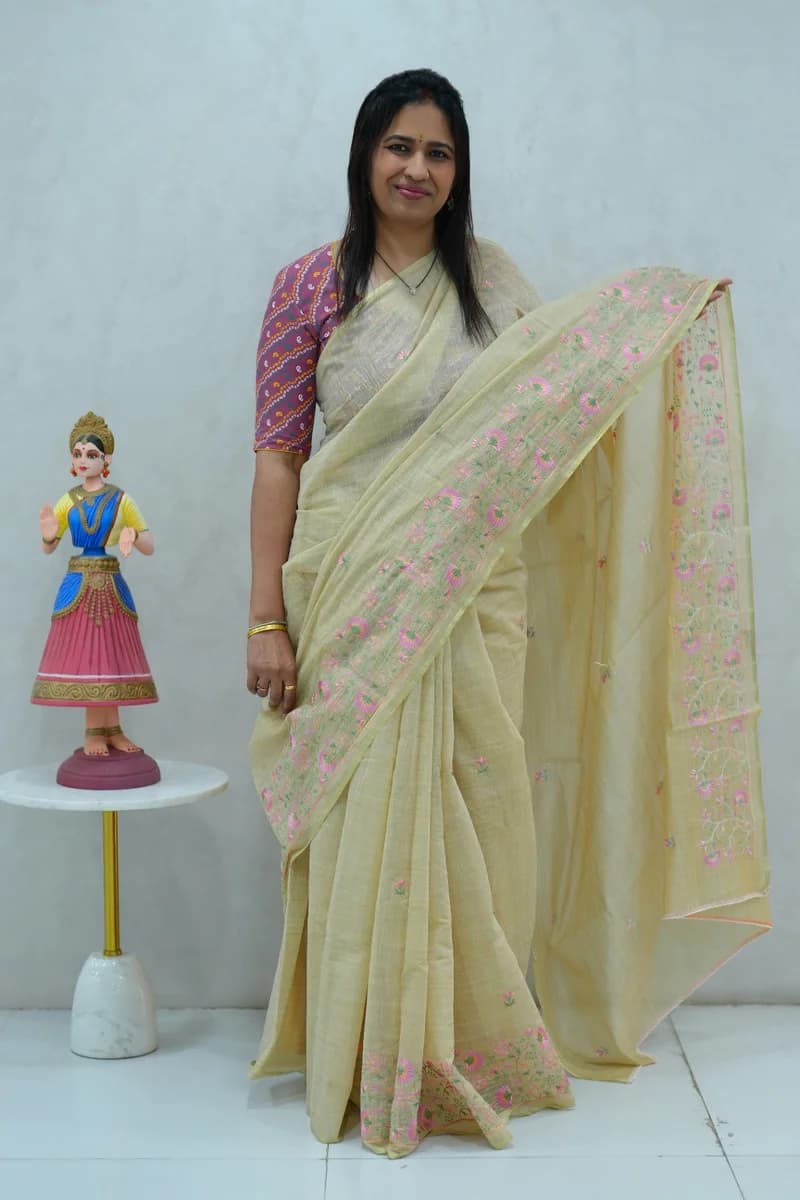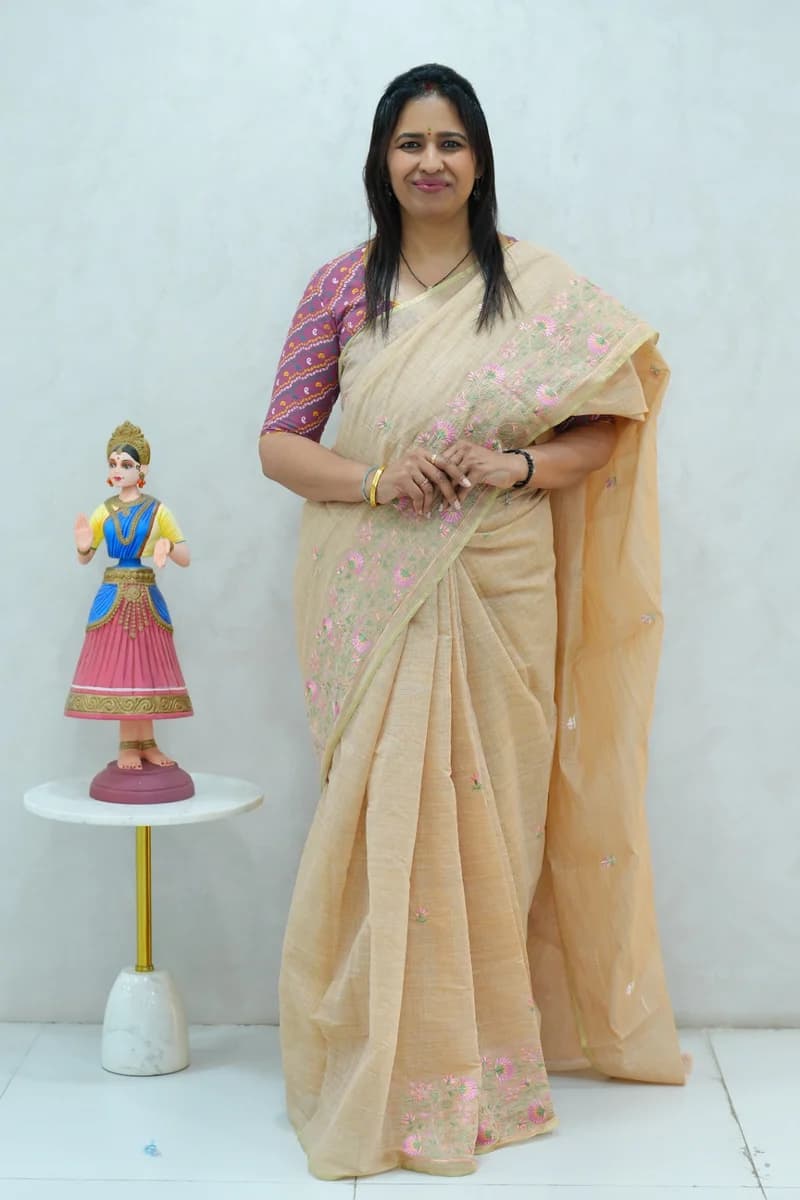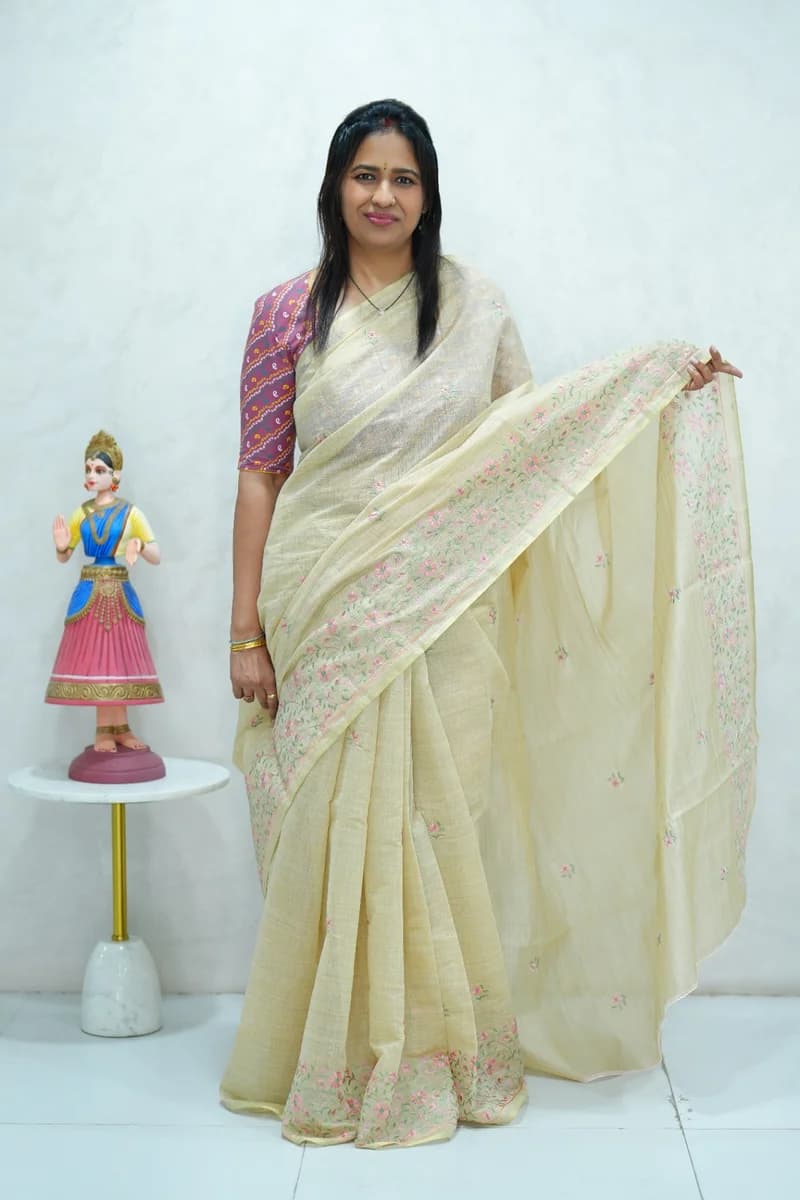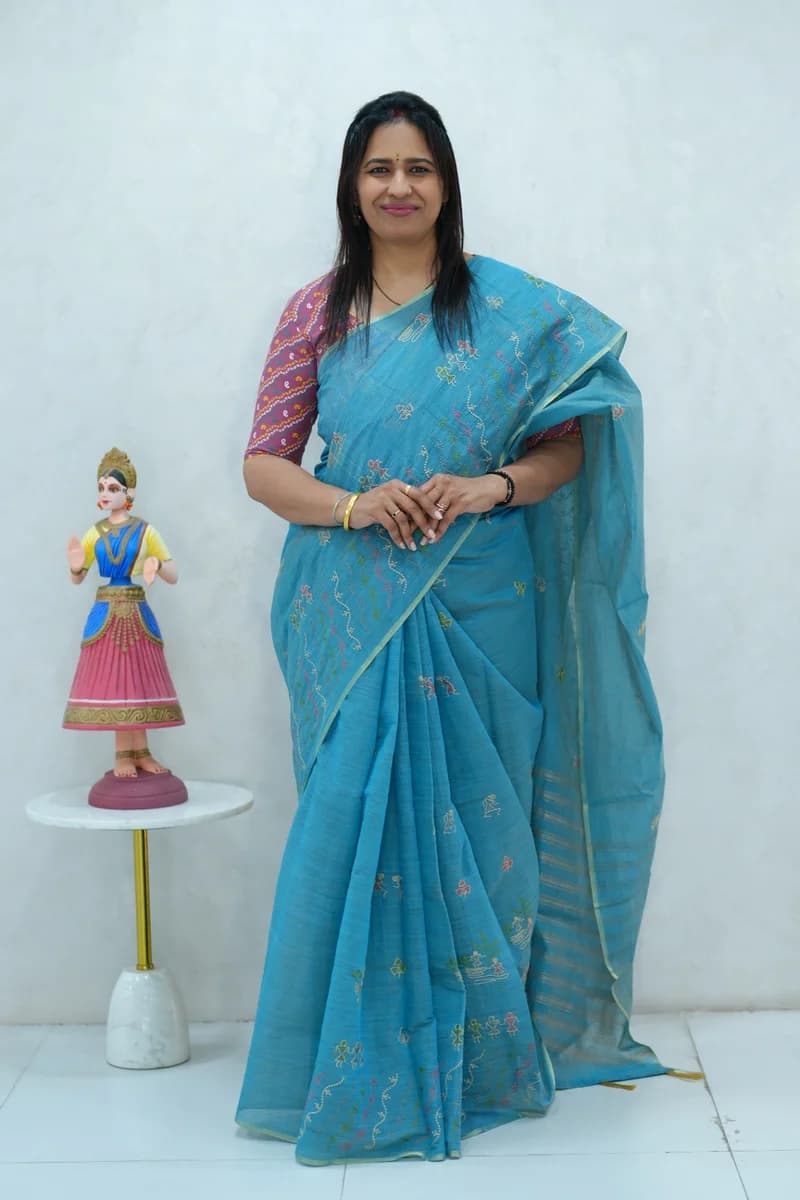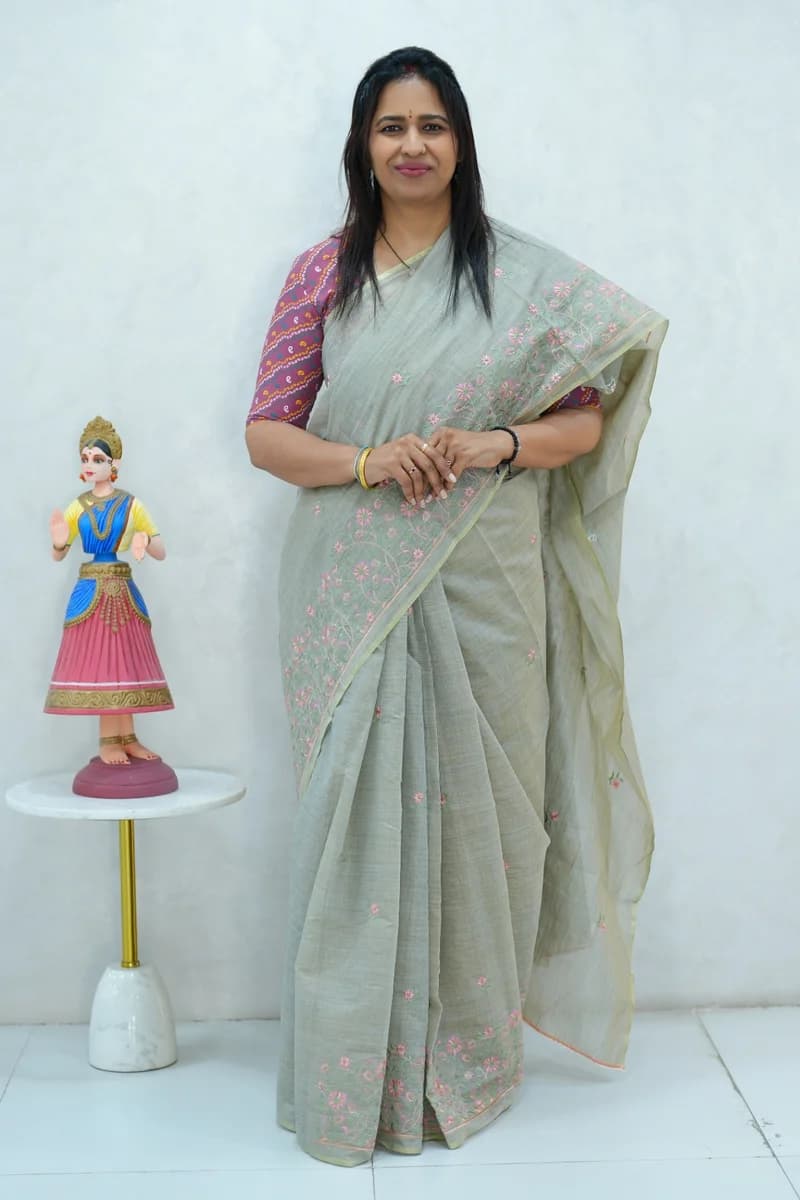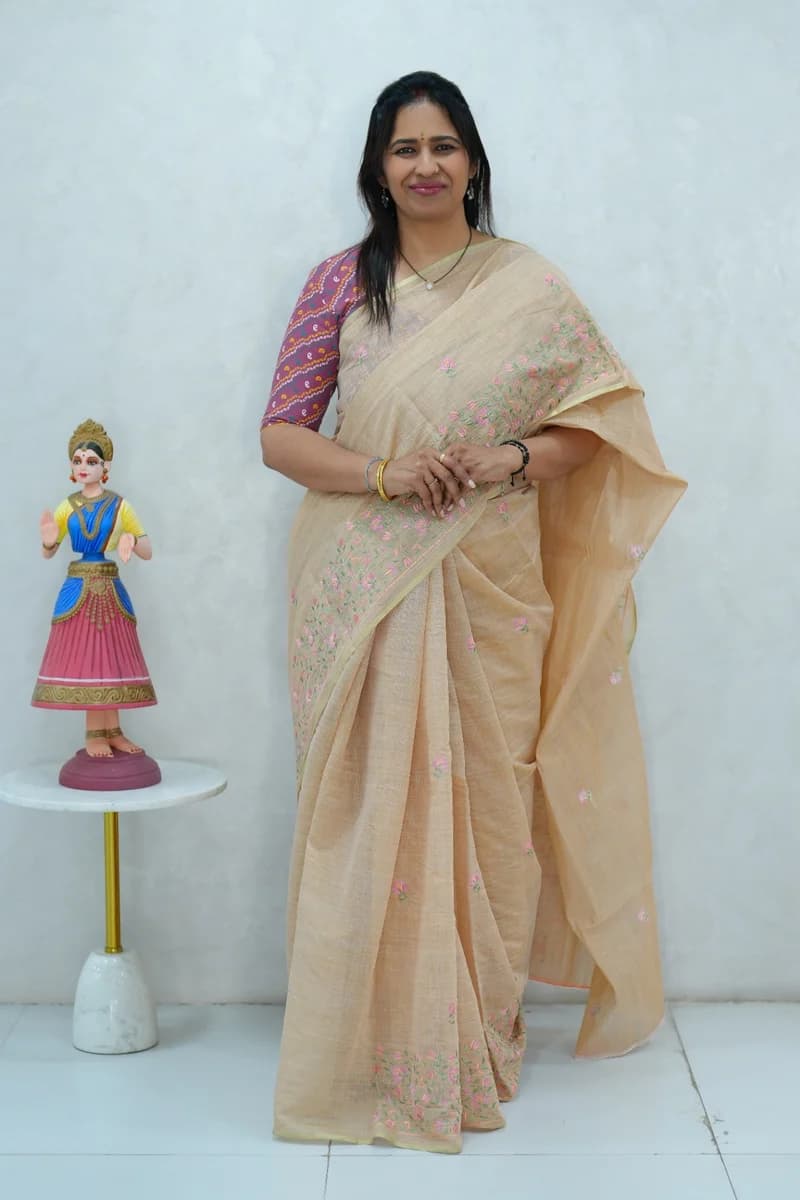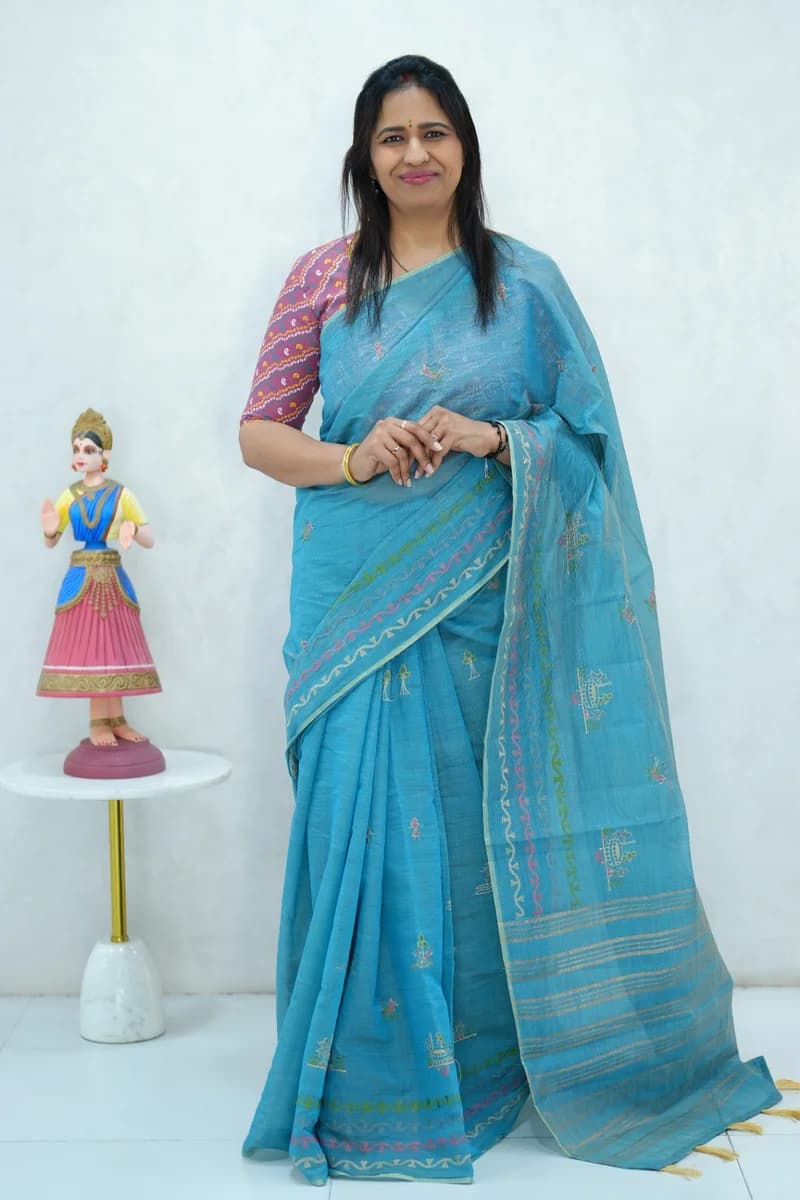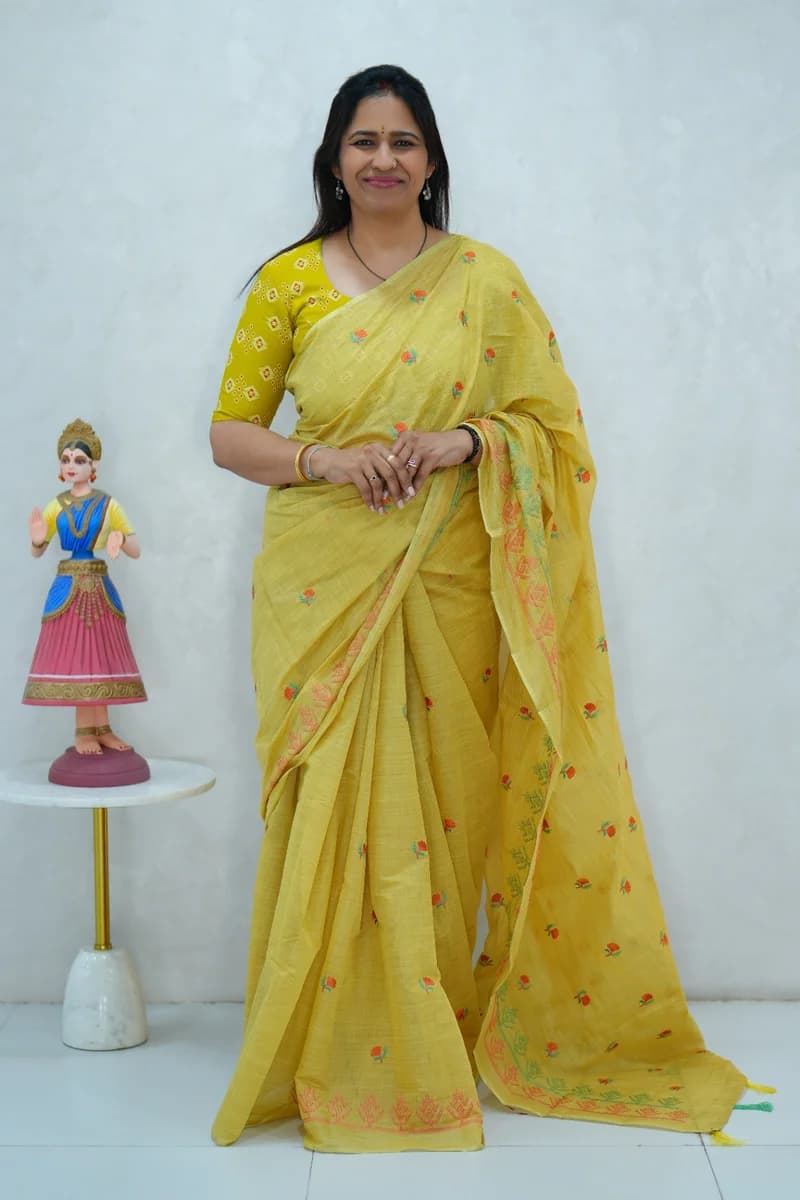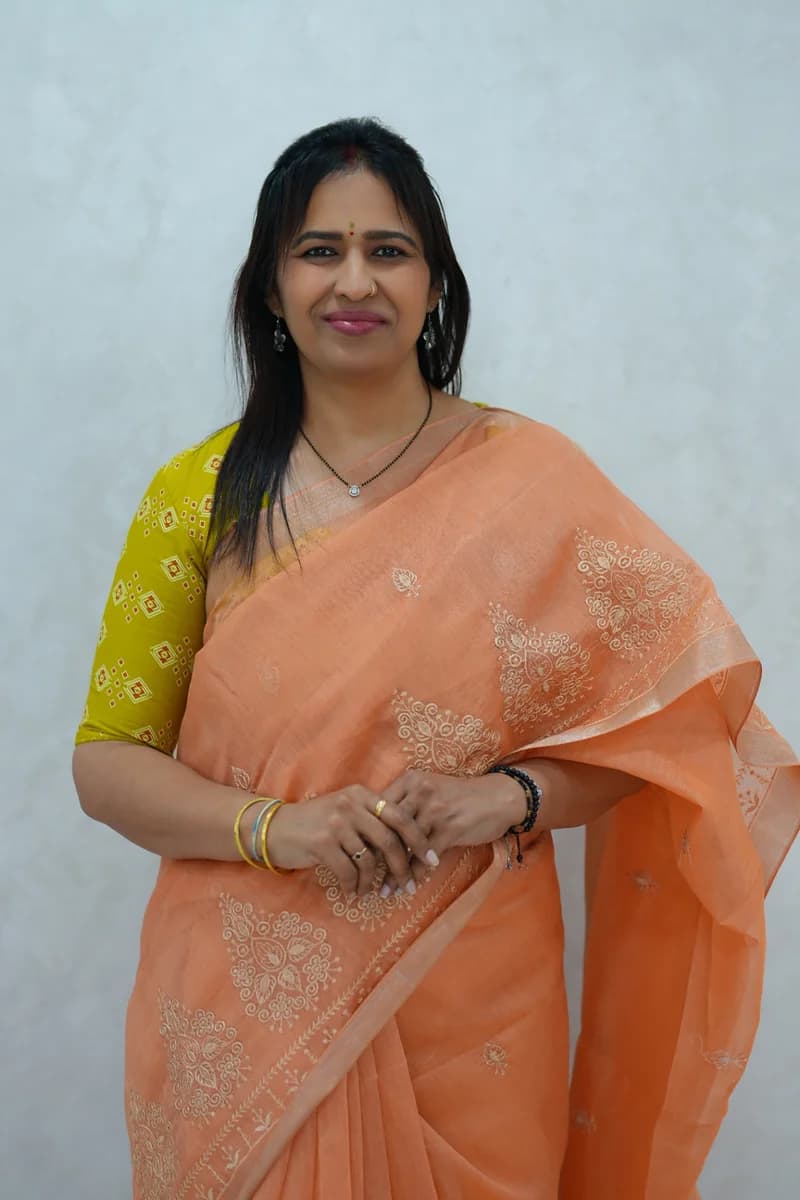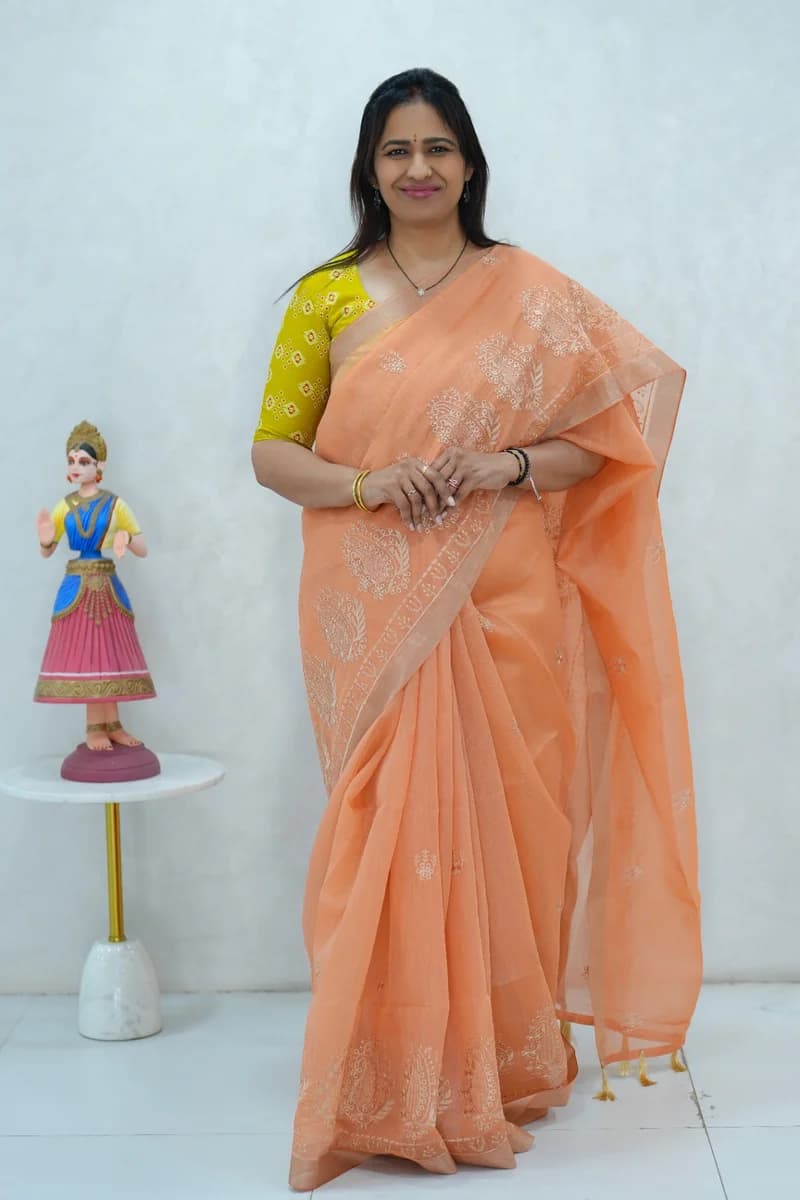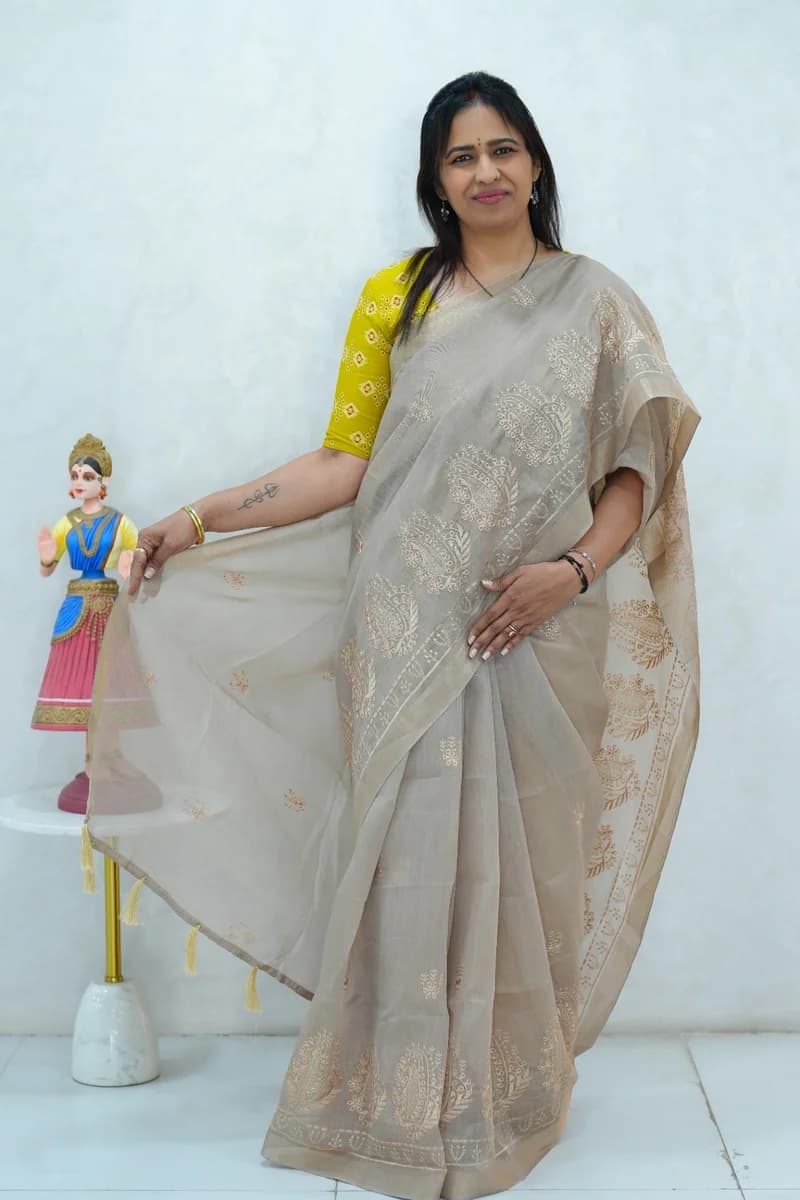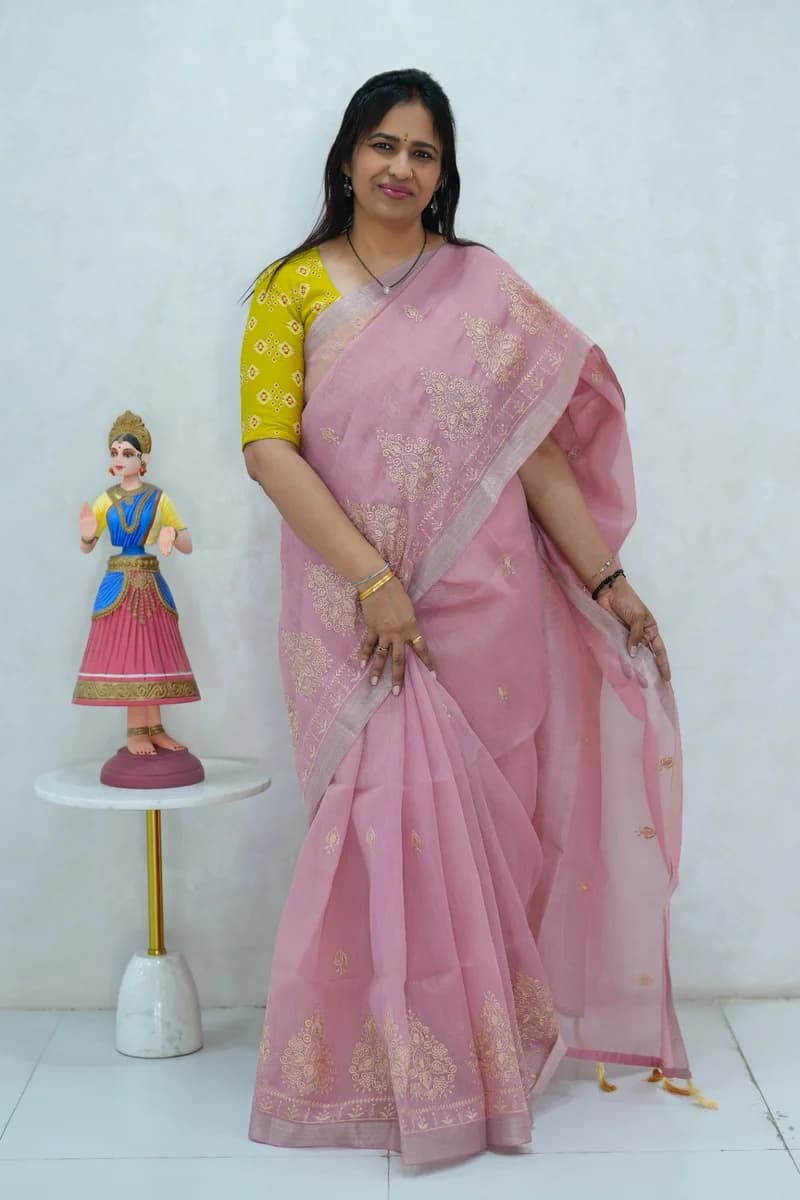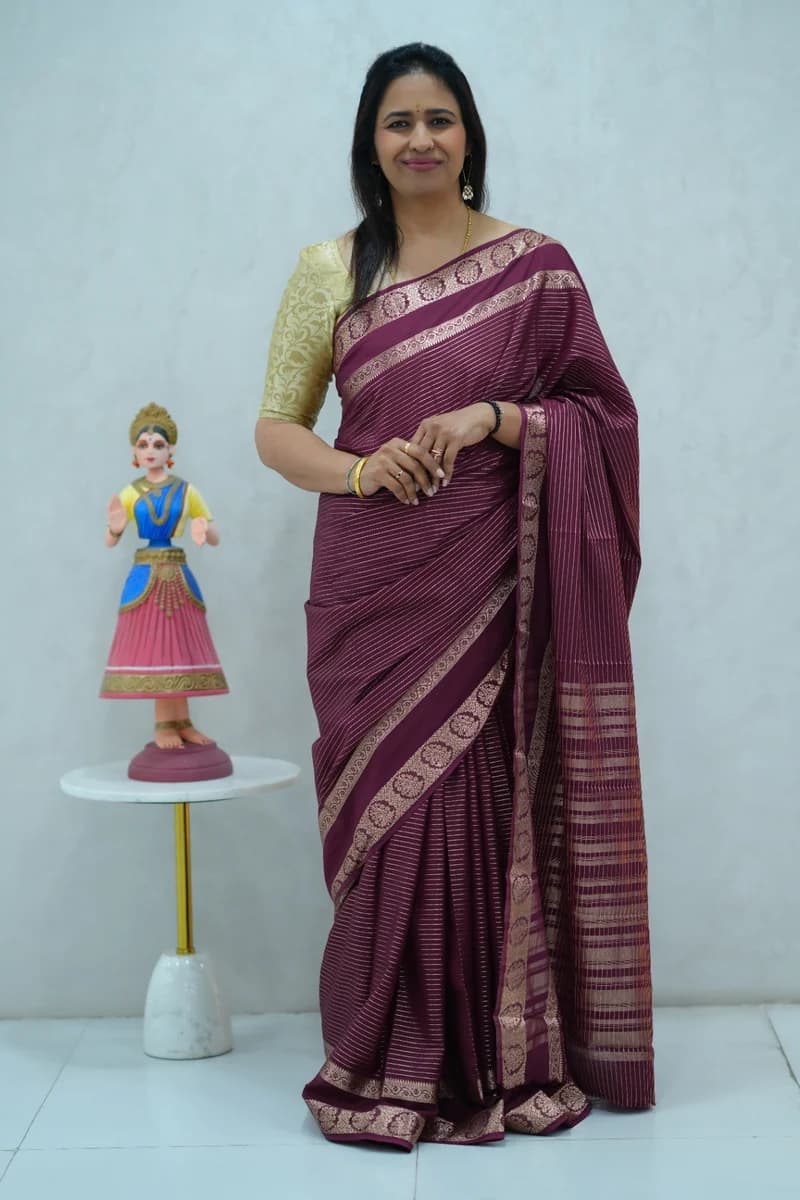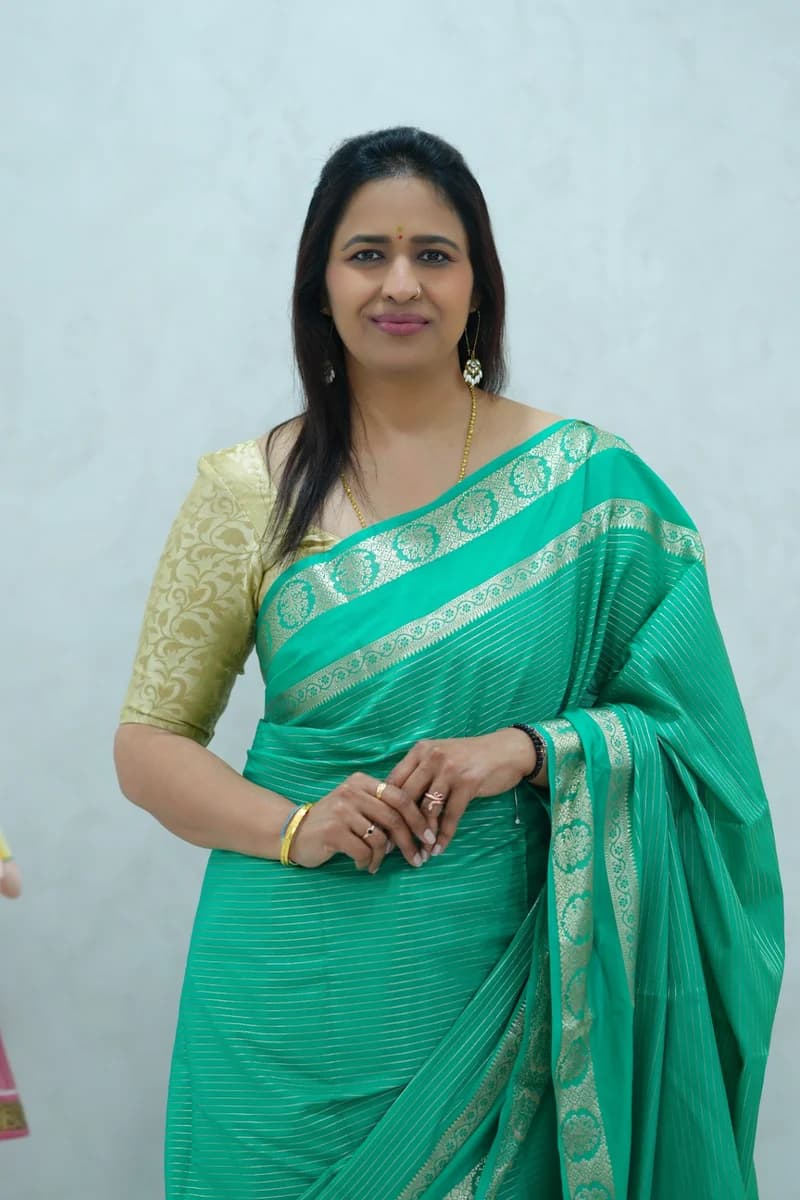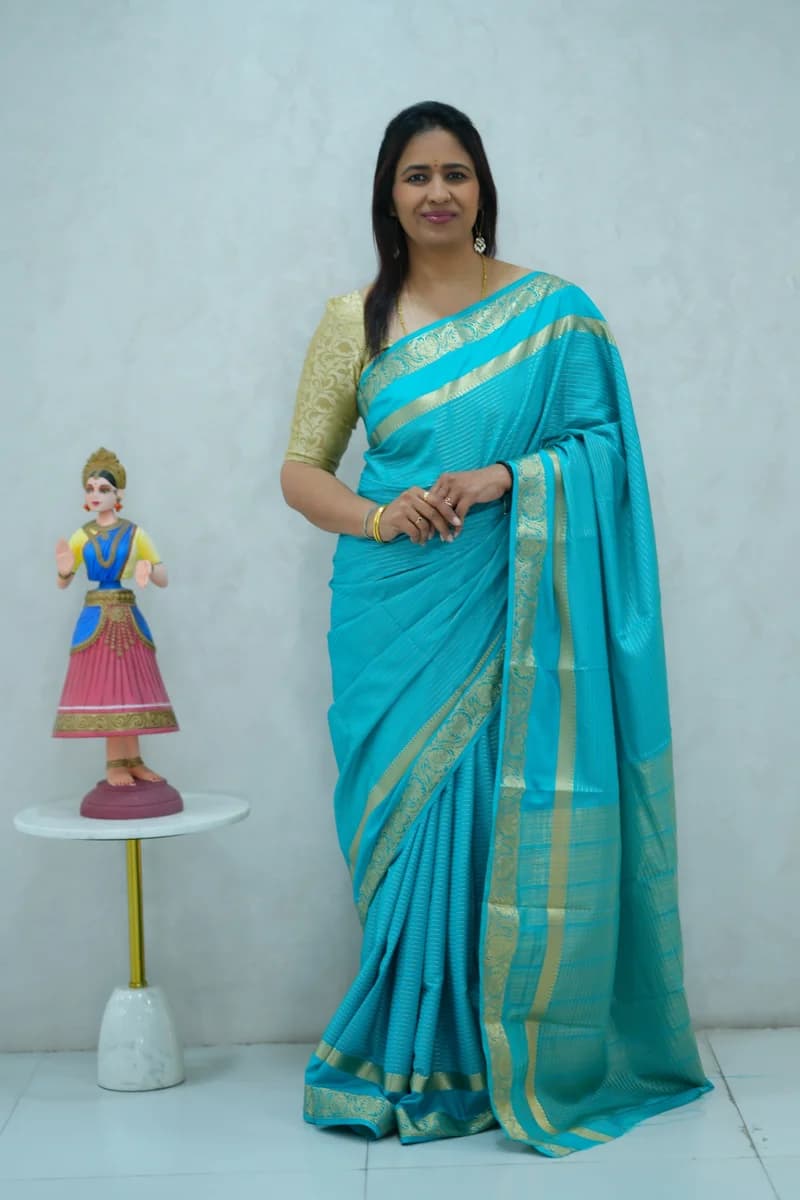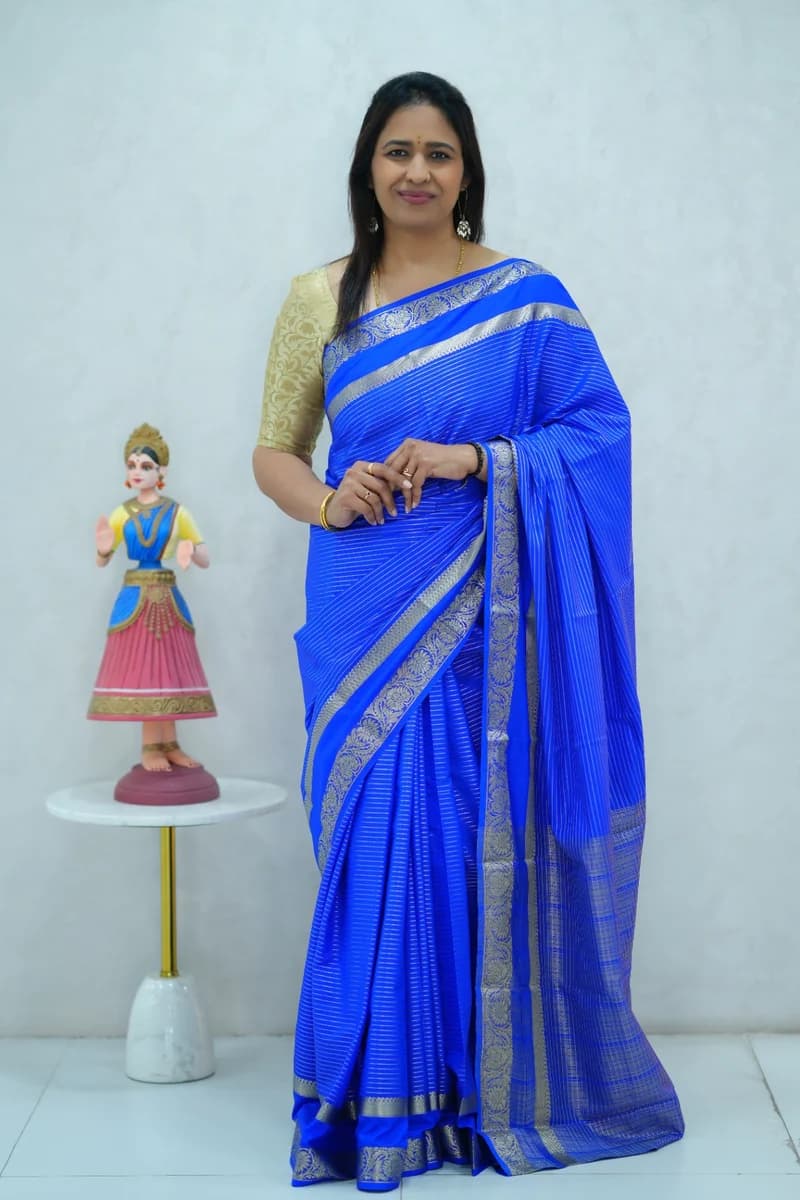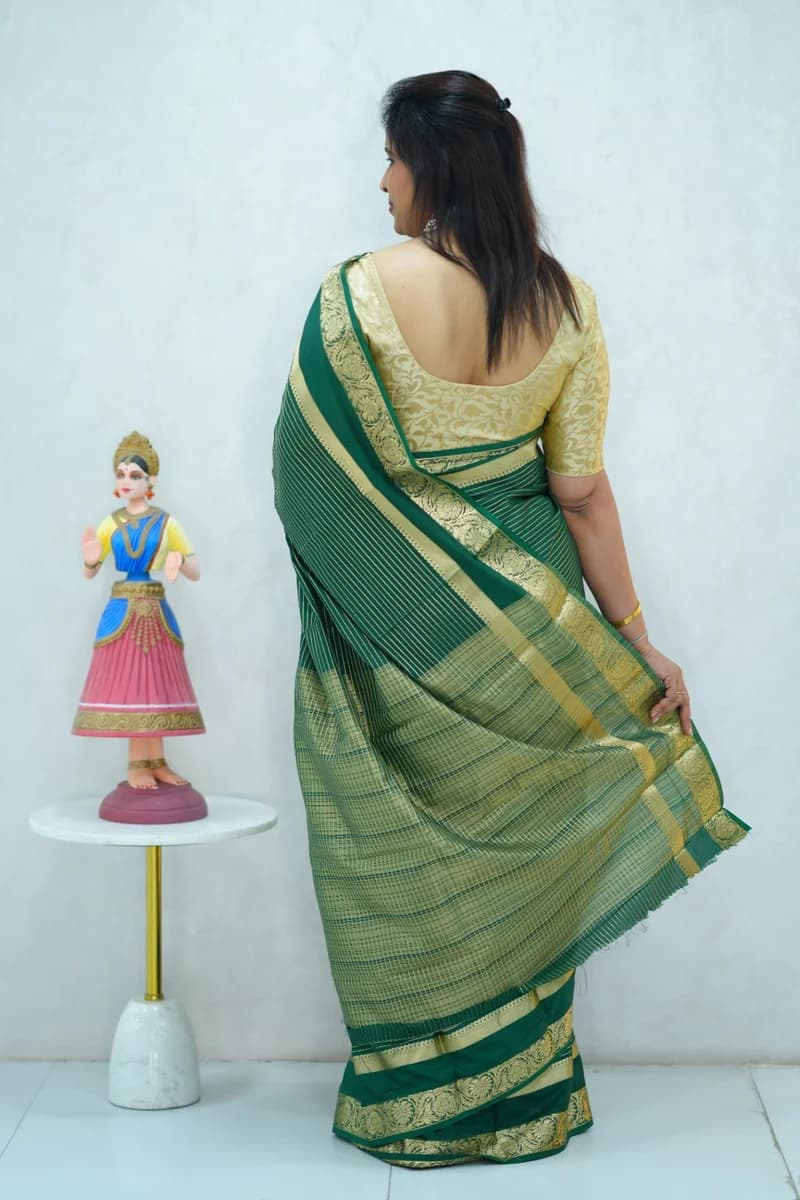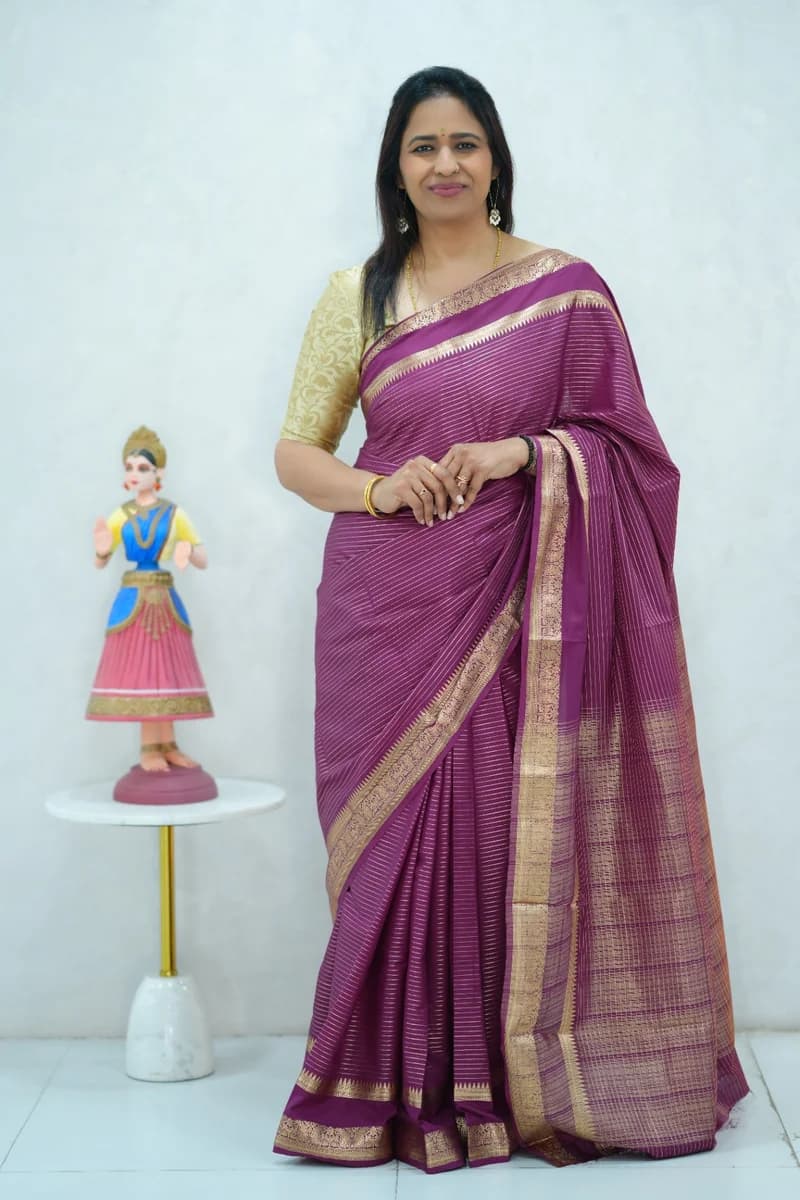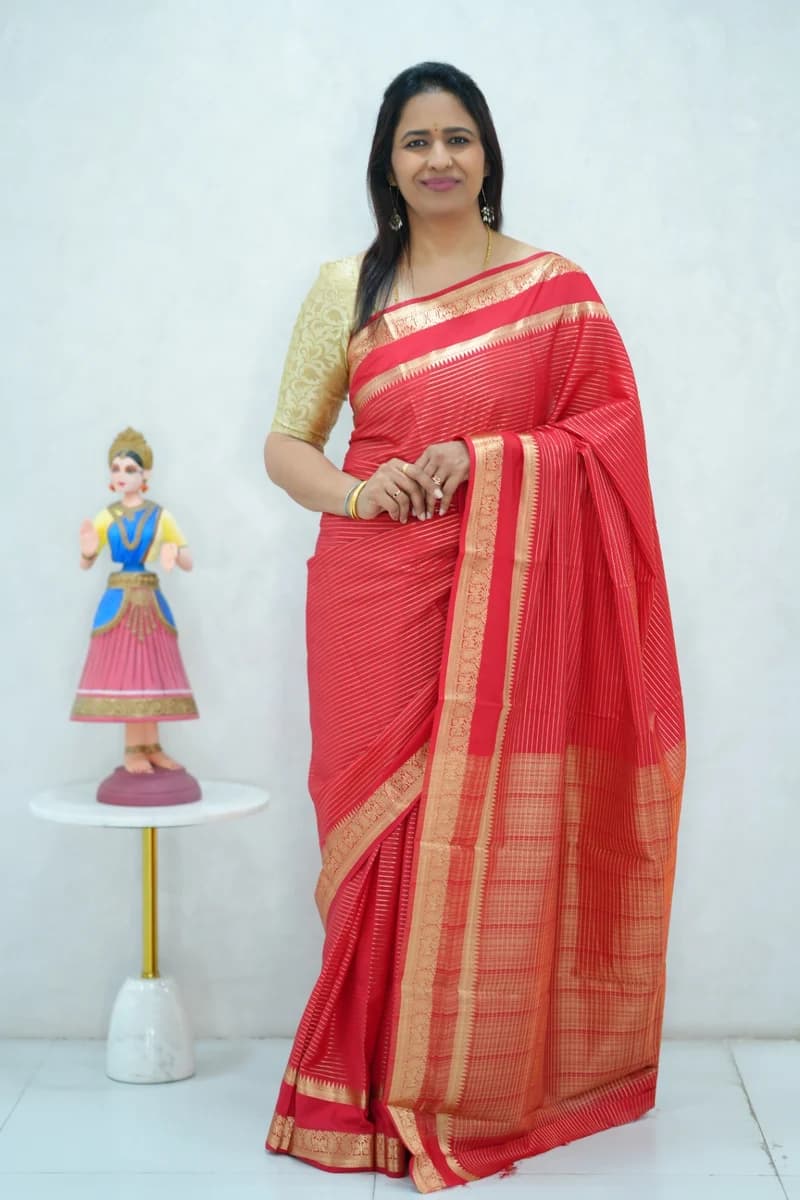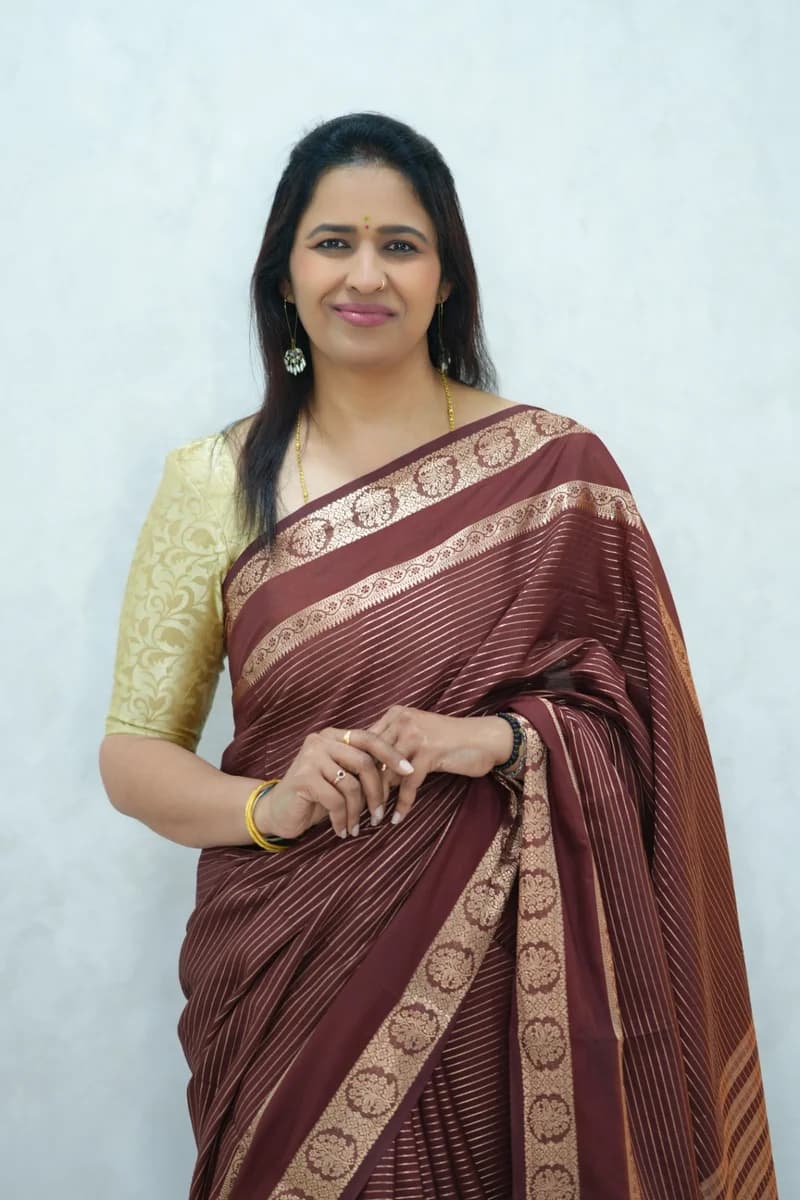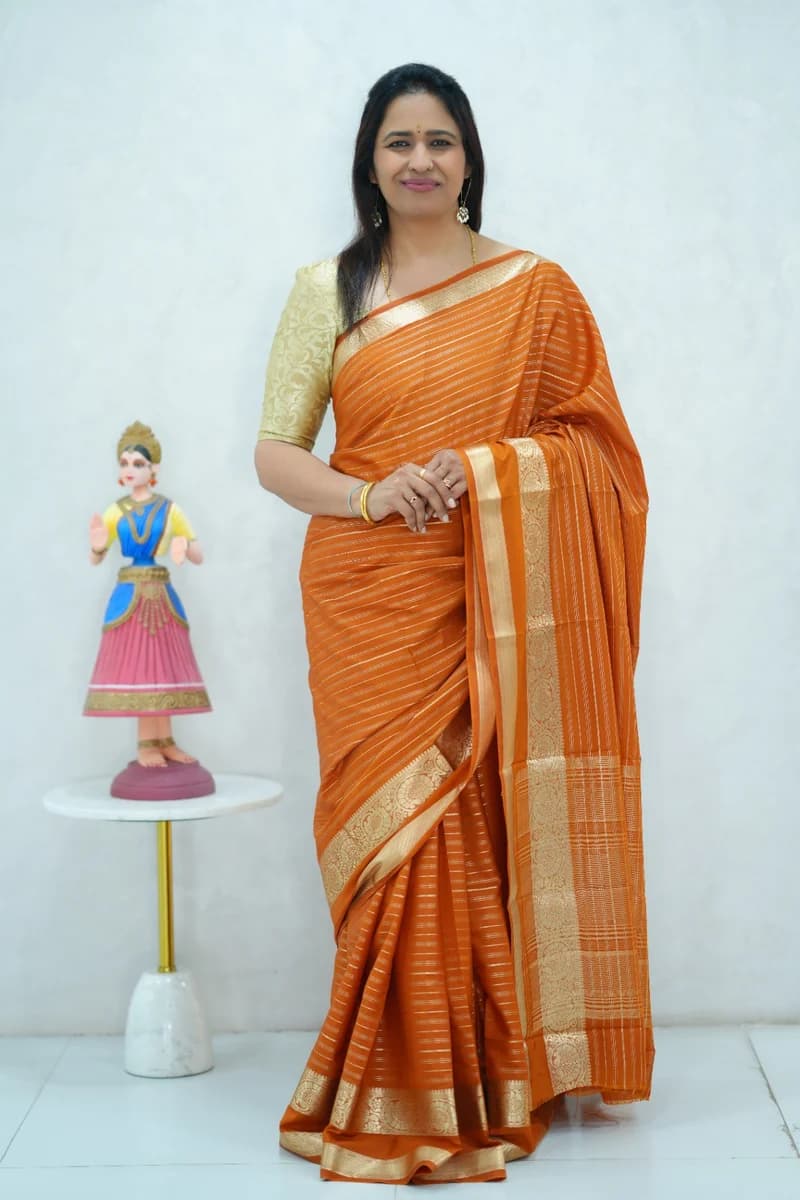
Lightweight silk sarees for weddings
Why weight matters more than most brides expect
A traditional bridal Kanchipuram pattu can weigh well over a kilogram once the zari is counted, and Indian weddings routinely run eight to twelve hours across multiple functions. The saree that photographs best at the muhurtham is often the one that becomes unbearable by the reception. This is the reason the 2026 season has shifted toward lighter weaves: not a rejection of tradition, but a recognition that the drape has to survive the day.
What actually makes a silk saree lighter
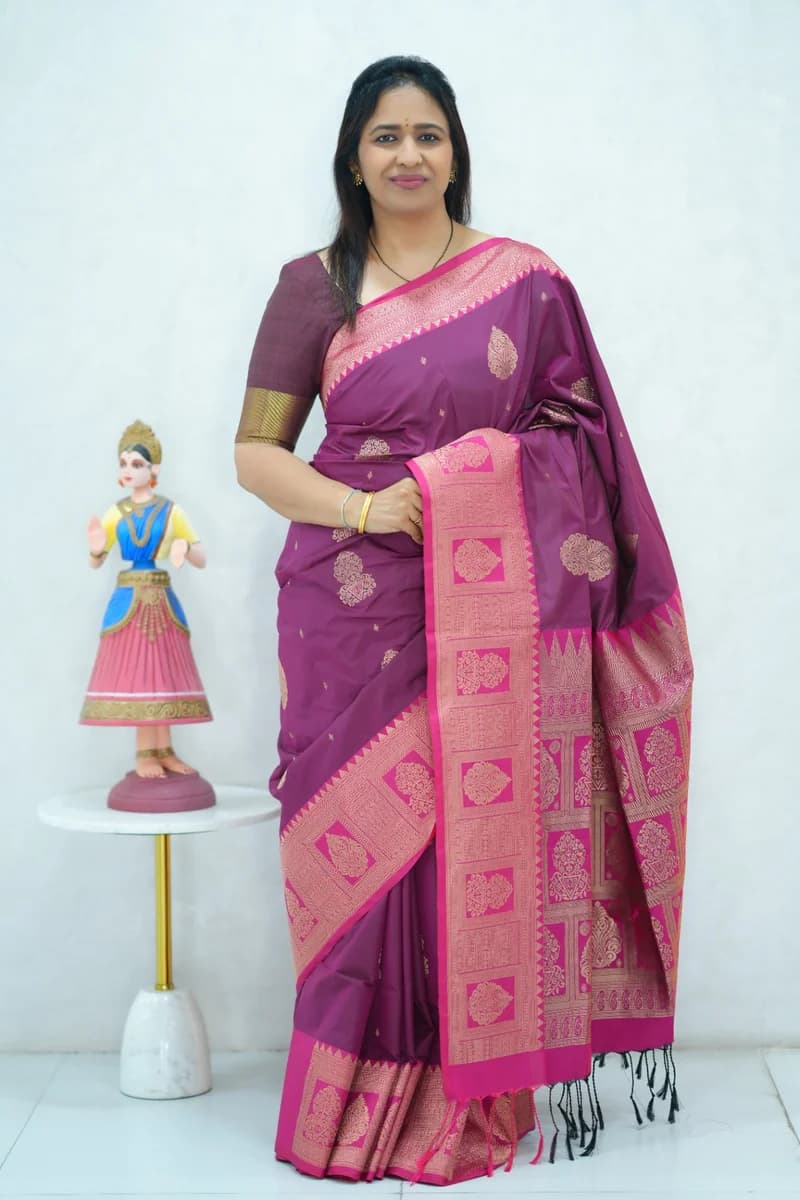
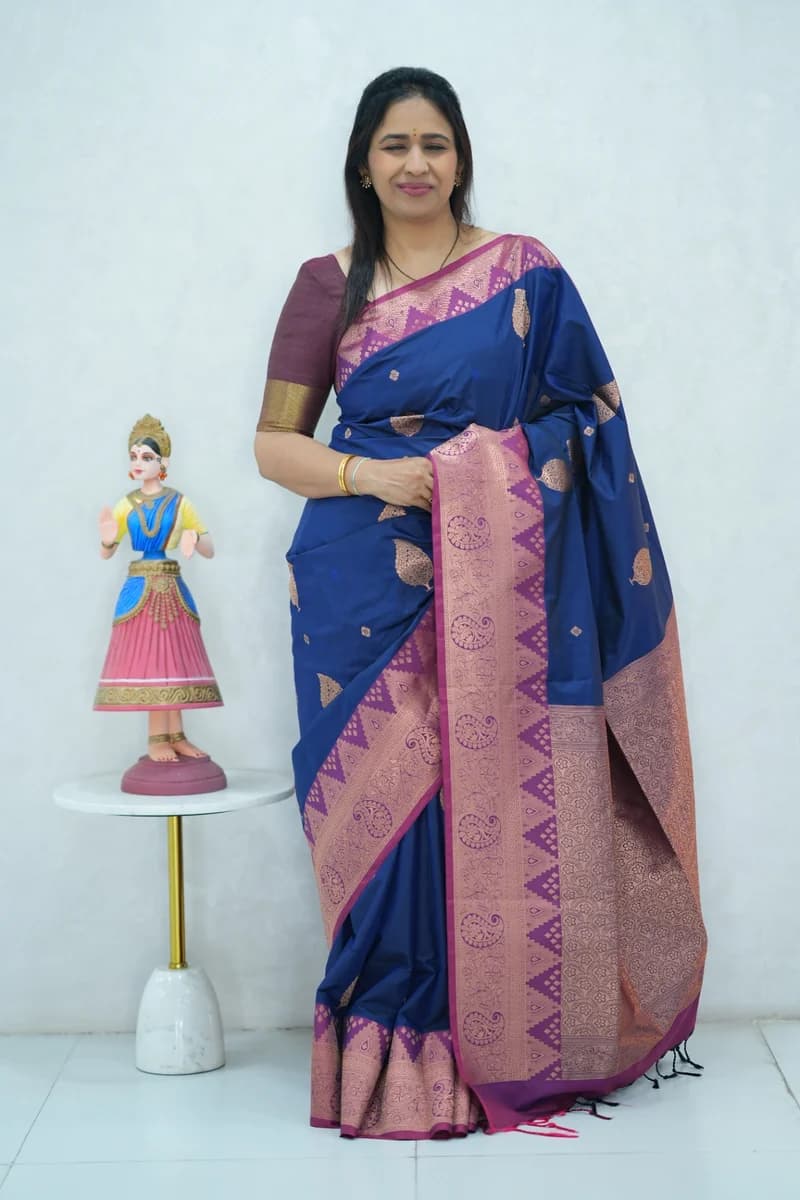
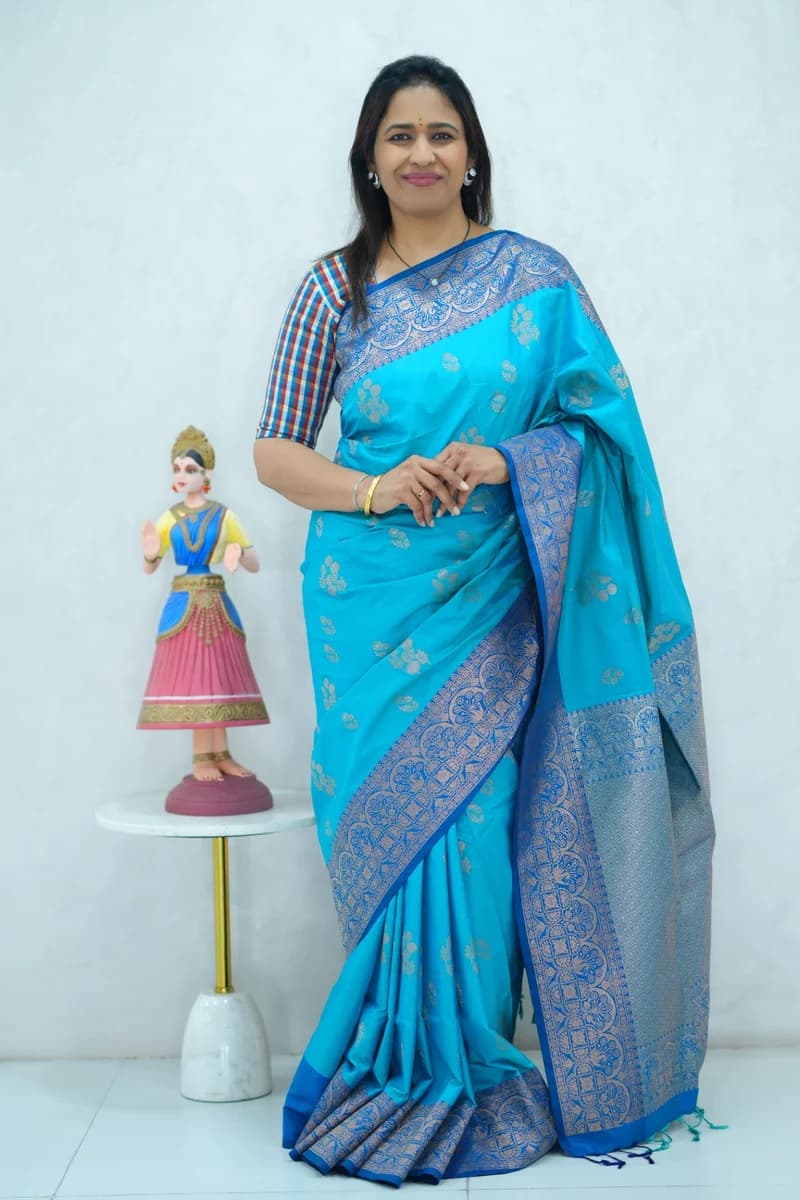
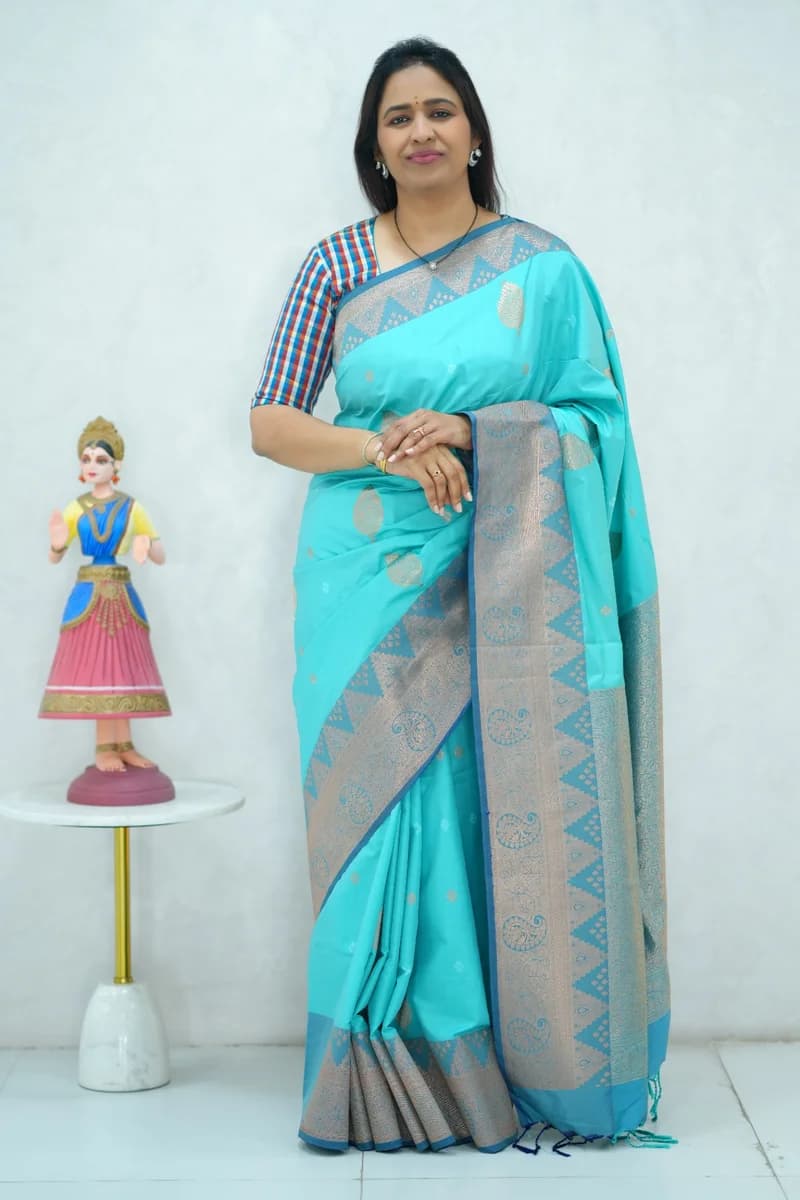
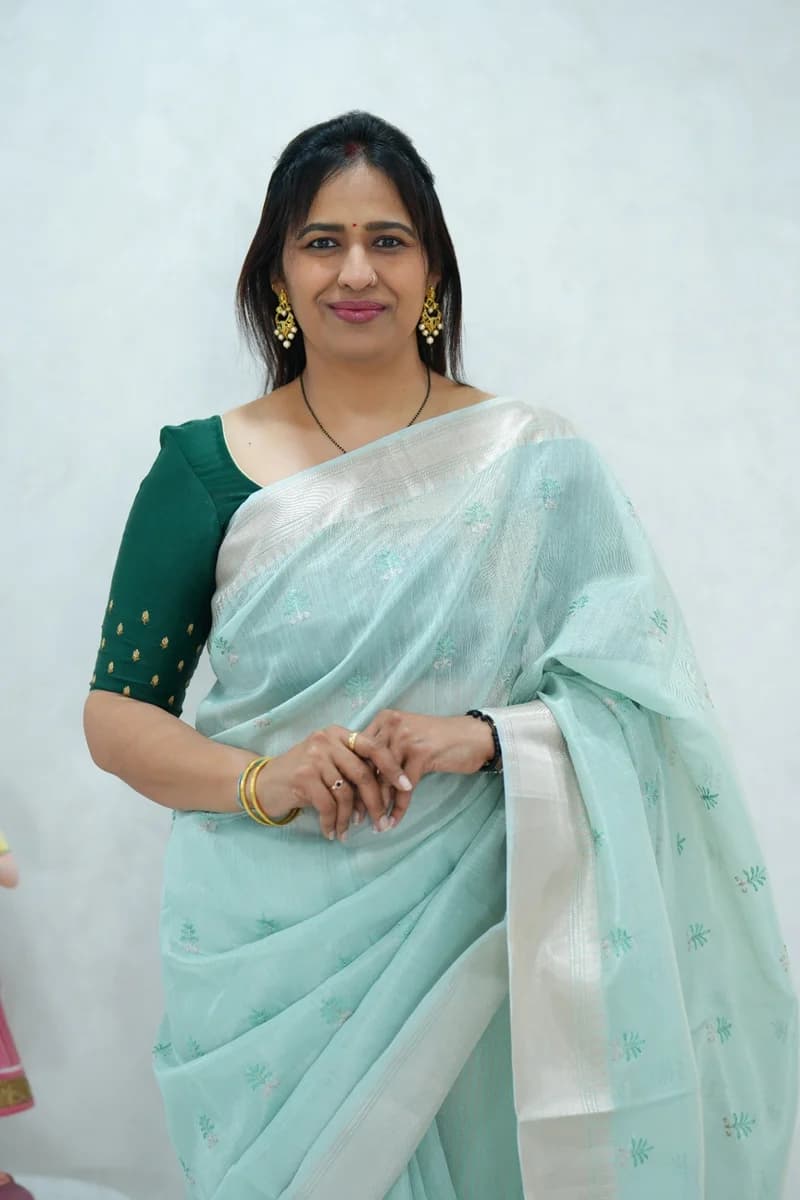
Three things. First, thread count and weave density — a semi pattu uses fewer silk threads per inch than a full pattu, so the same visual register arrives at roughly half the weight. Second, zari coverage: a saree with zari confined to the border and pallu is dramatically lighter than one with all-over butta work. Third, fibre blending — tissue cotton silk substitutes a cotton base for part of the silk, which cuts weight and adds breathability at once.
Choosing by function
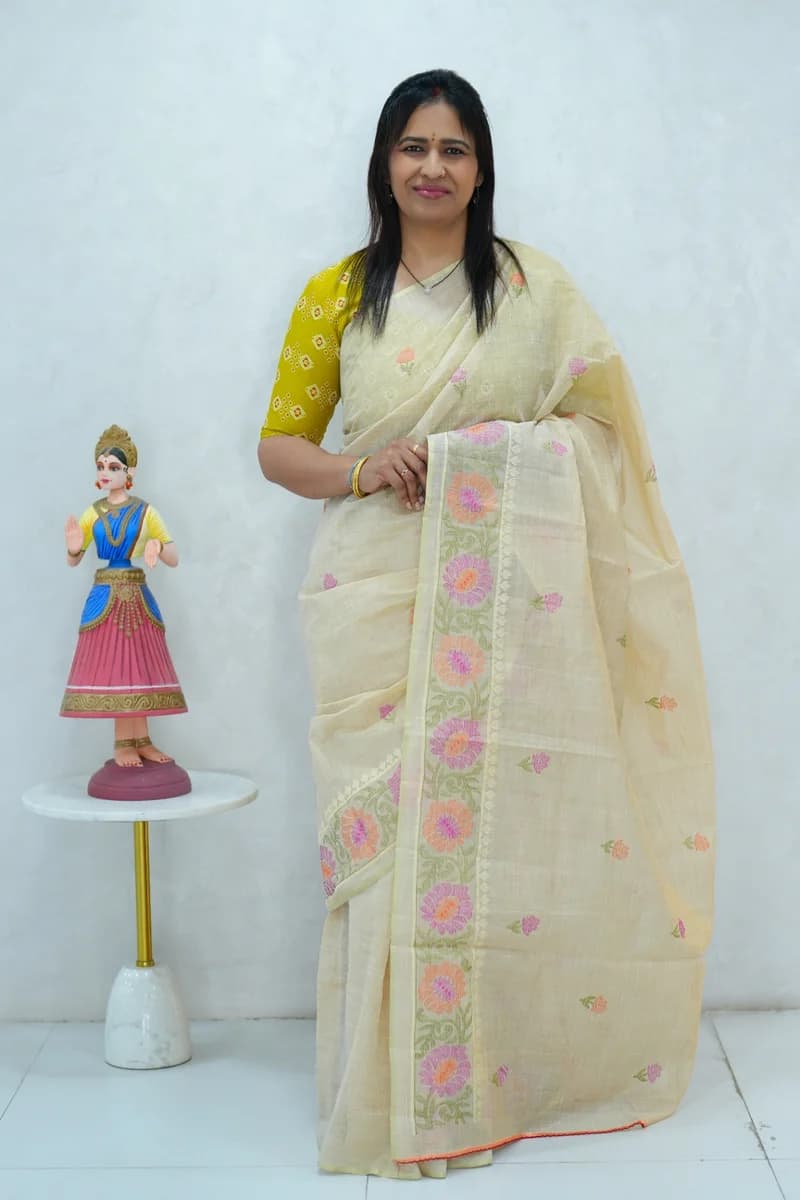
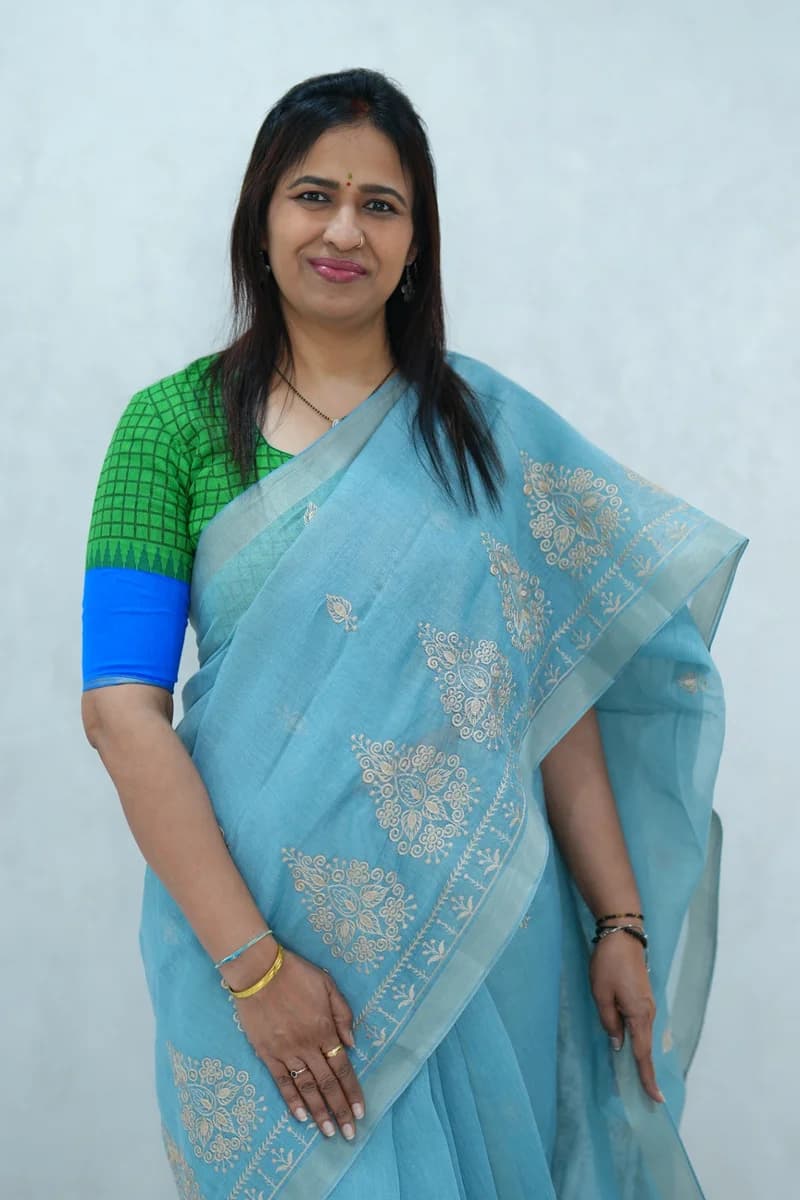
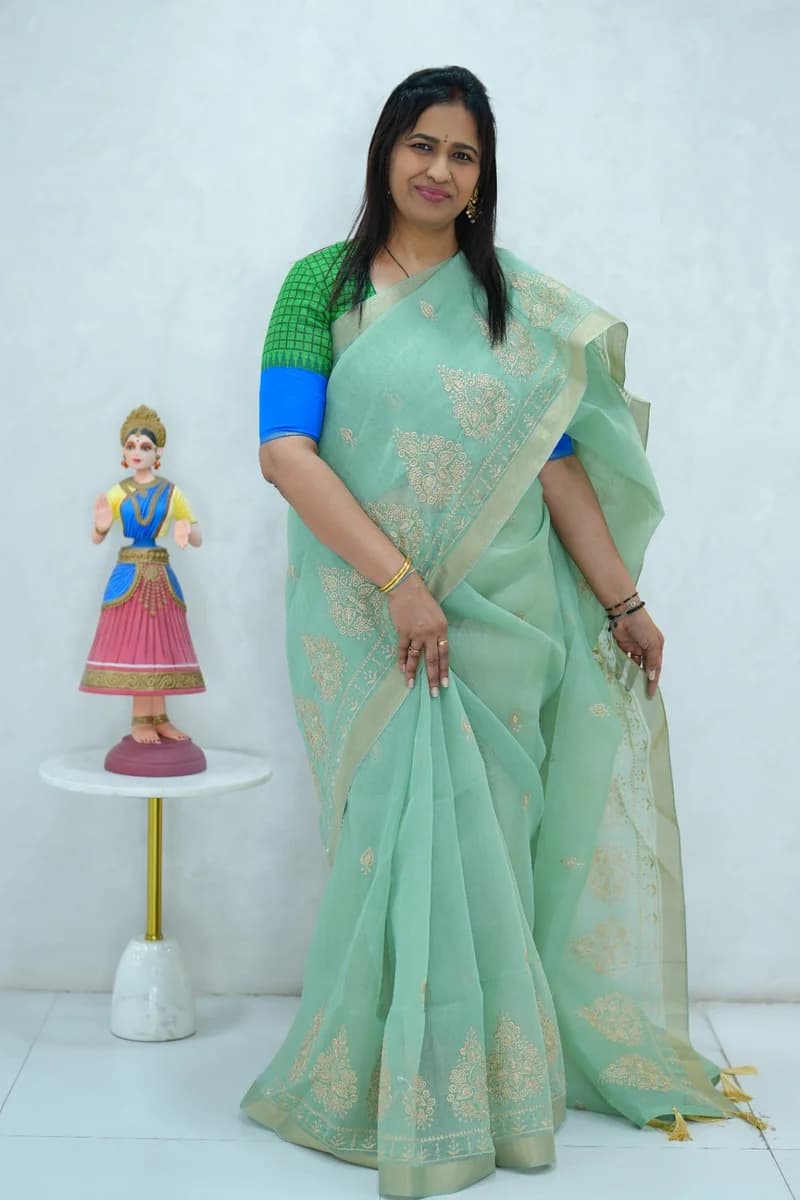
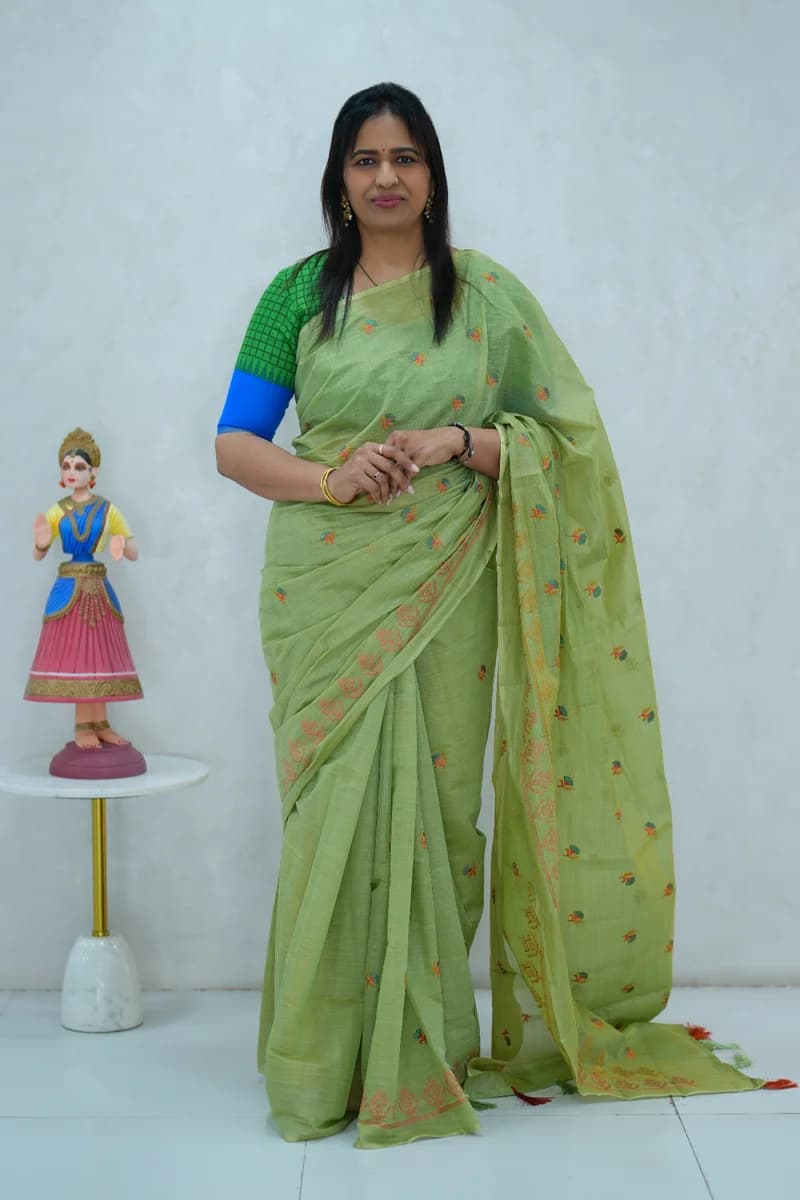
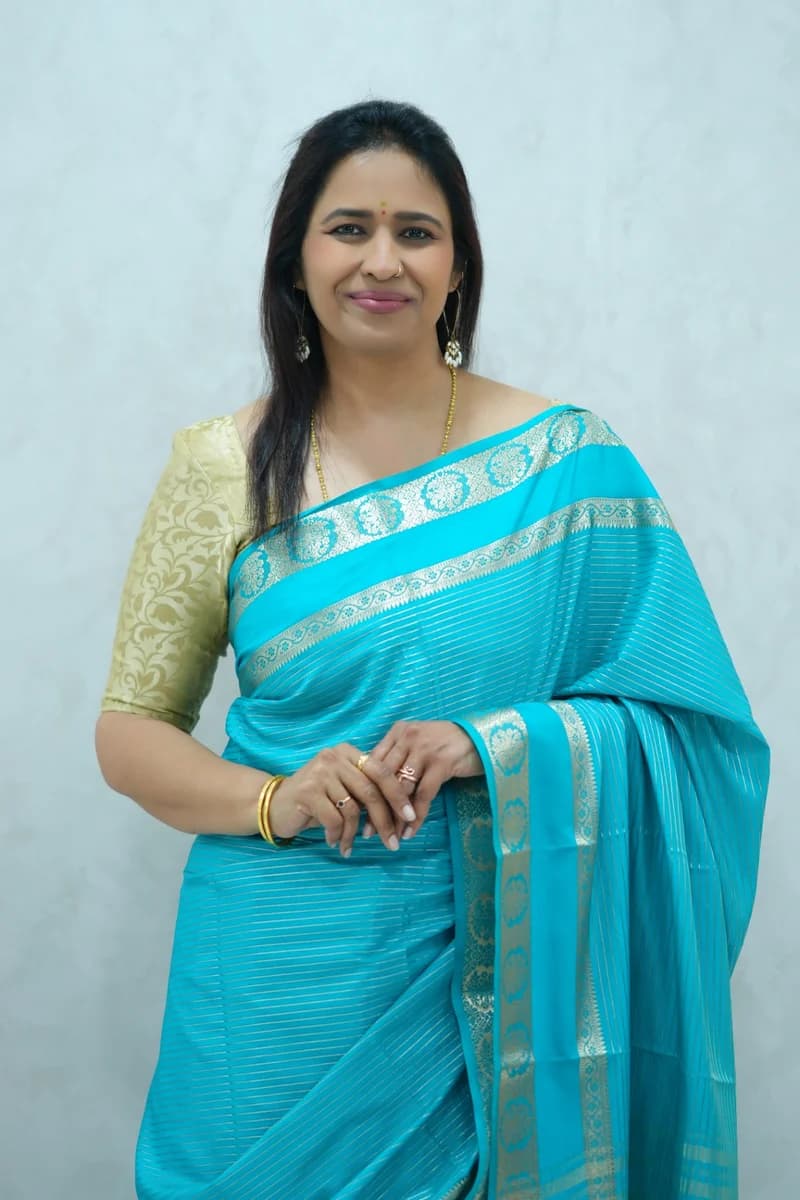
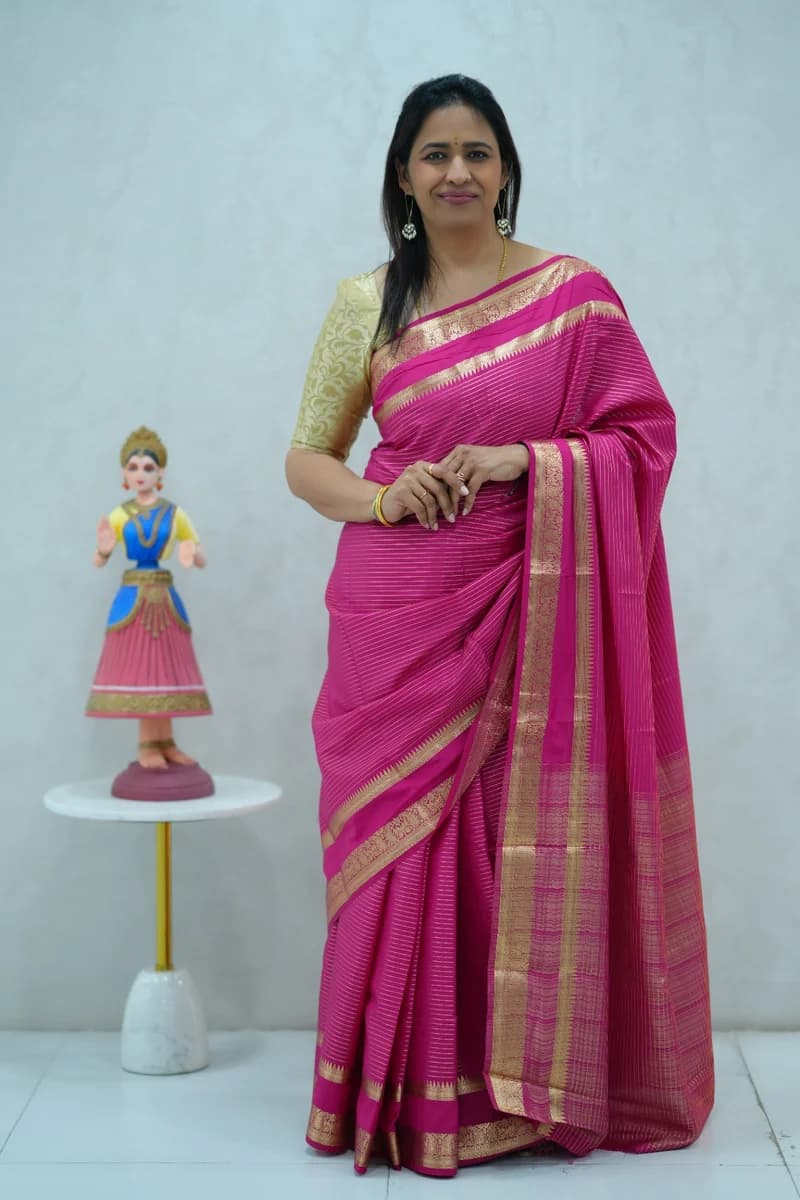
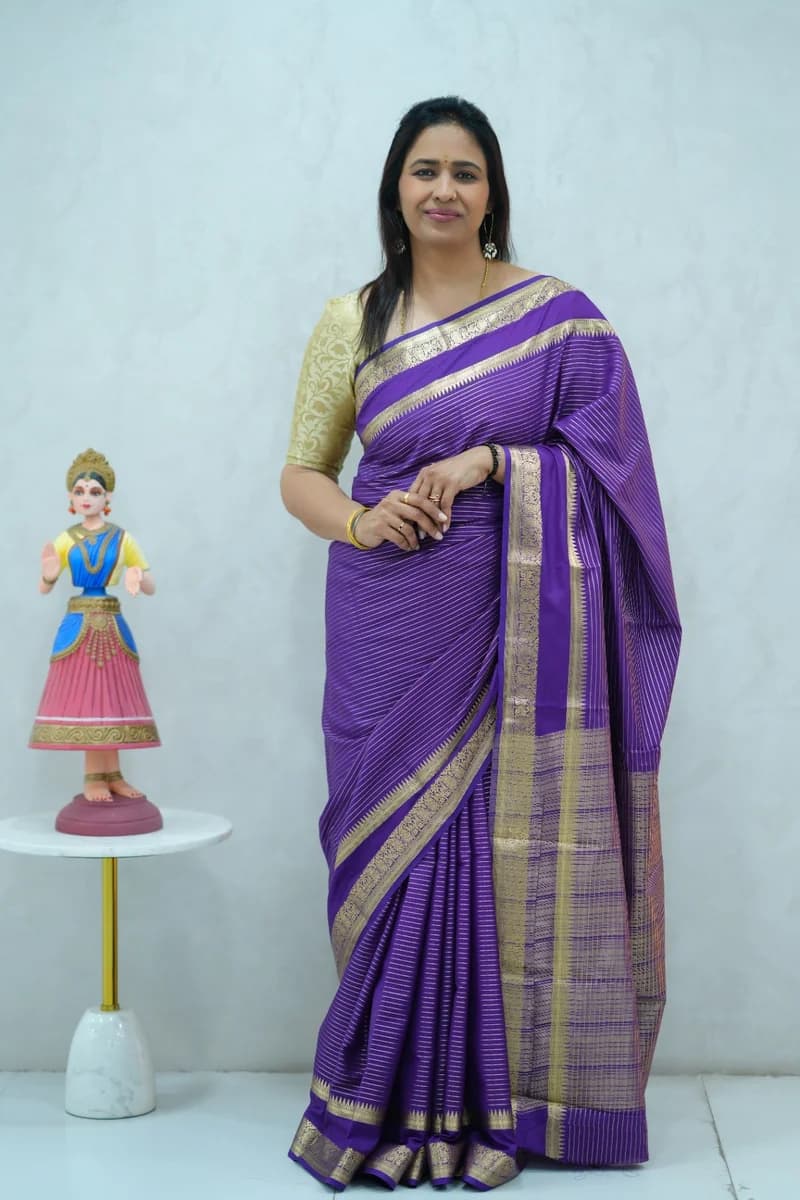
For the muhurtham or main ceremony, semi pattu holds the traditional look with the zari border intact. For daytime functions like the haldi or mehendi, tissue cotton silk breathes and will not leave you overheated under a shamiana. For the reception, semi crepe drapes close to the body and holds pleats without bulk, which suits a long evening on your feet. Guests attending several functions in one weekend generally get the most use from semi crepe.
What to check before buying
Look for the Silk Mark label, which certifies the fibre is genuine natural silk rather than art silk. Ask specifically where the zari sits — border-only, or all over — because that single detail drives most of the weight difference. And handle the saree if you can: lightness you can feel in the shop is the only reliable test, since no weight is printed on the label.